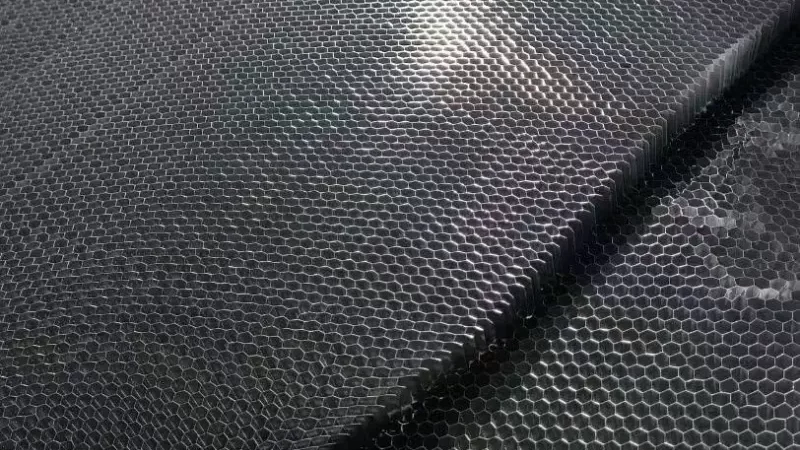
Cutting aluminum honeycomb core is an important process in the manufacturing and installation of lightweight structural panels. Many engineers and buyers search for information such as cutting aluminum honeycomb, cutting aluminium honeycomb, and cutting honeycomb panels when working with aluminum honeycomb materials.
An aluminum honeycomb core is a lightweight structure made from thin aluminum foil formed into hexagonal cells. This structure provides excellent strength, low weight, and high stability. Because of these advantages, aluminum honeycomb cores are widely used in construction, aerospace, transportation, and interior decoration.
To achieve accurate results, it is important to understand how to cut aluminum honeycomb core, what tools to use, and the correct cutting speed.
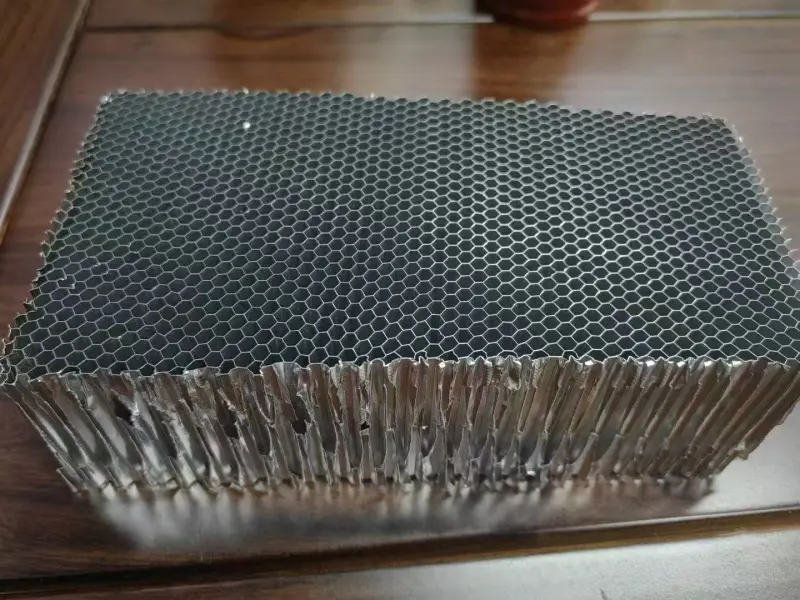
Common Specifications of Aluminum Honeycomb Core
Different industries require different honeycomb core sizes and cell structures.
Standard Honeycomb Core Specifications
| Cell Size | Foil Thickness | Core Thickness |
|---|---|---|
| 3 mm | 0.03 mm | 3–20 mm |
| 4 mm | 0.04 mm | 5–25 mm |
| 6 mm | 0.04 mm | 5–50 mm |
| 8 mm | 0.05 mm | 10–80 mm |
| 10 mm | 0.05 mm | 10–100 mm |
These specifications allow manufacturers to produce honeycomb panels with different strength and weight characteristics.
Why Cutting Aluminum Honeycomb Core Requires Special Methods
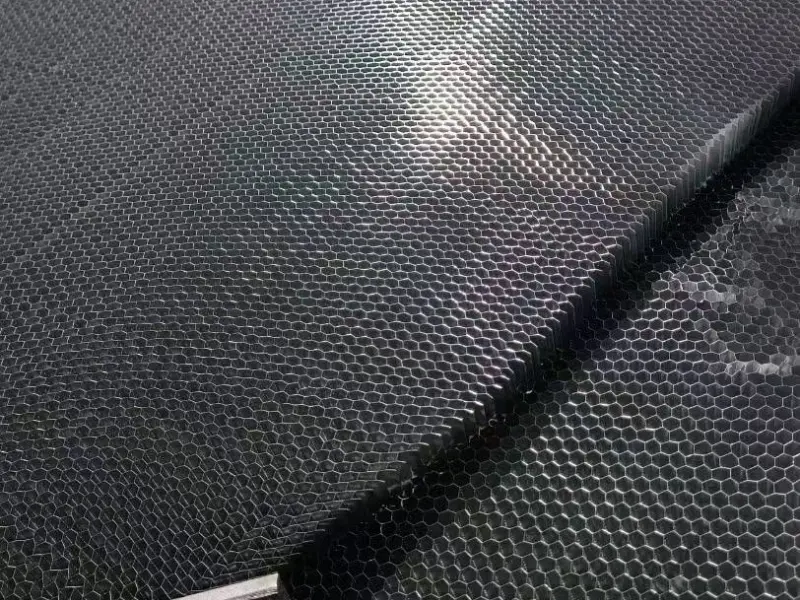
Because the structure of aluminum honeycomb core is different from solid aluminum sheets, the cutting process requires special care.
The honeycomb structure contains many thin aluminum walls. Incorrect cutting methods may cause:
- deformation of the cells
- tearing of the foil
- uneven edges
Using the correct honeycomb core cutter and cutting speed helps maintain structural integrity.
How to Cut Aluminum Honeycomb Core
Many users ask: How to cut aluminum honeycomb core?
There are several common methods used in factories and workshops.
Manual Cutting
Manual cutting is suitable for small projects.
Common tools include:
- utility knife
- hand saw
- fine tooth blade
Steps:
- Mark the cutting line on the honeycomb core
- Use a sharp blade or saw
- Cut slowly and evenly
- Support the material to avoid deformation
This method is simple but best for thin honeycomb cores.
Mechanical Cutting
For industrial production, mechanical cutting provides better accuracy.
Common machines include:
- circular saw
- band saw
- CNC cutting machine
Mechanical Cutting Comparison
| Cutting Tool | Advantages | Applications |
|---|---|---|
| Circular saw | Fast cutting | Large panels |
| Band saw | Smooth edges | Thick cores |
| CNC cutter | High precision | Industrial panels |
These machines are commonly used for cutting honeycomb panels in factories.
Honeycomb Core Cutter Types
A honeycomb core cutter is a specialized tool designed to cut honeycomb materials without damaging the structure.
Common Honeycomb Core Cutting Tools
| Tool Type | Features |
|---|---|
| CNC knife cutter | High precision cutting |
| Waterjet cutter | No heat damage |
| Laser cutter | High speed cutting |
| Circular blade cutter | Industrial production |
Different tools are selected depending on the thickness and size of the honeycomb core.
Best Tools to Cut Aluminum Honeycomb
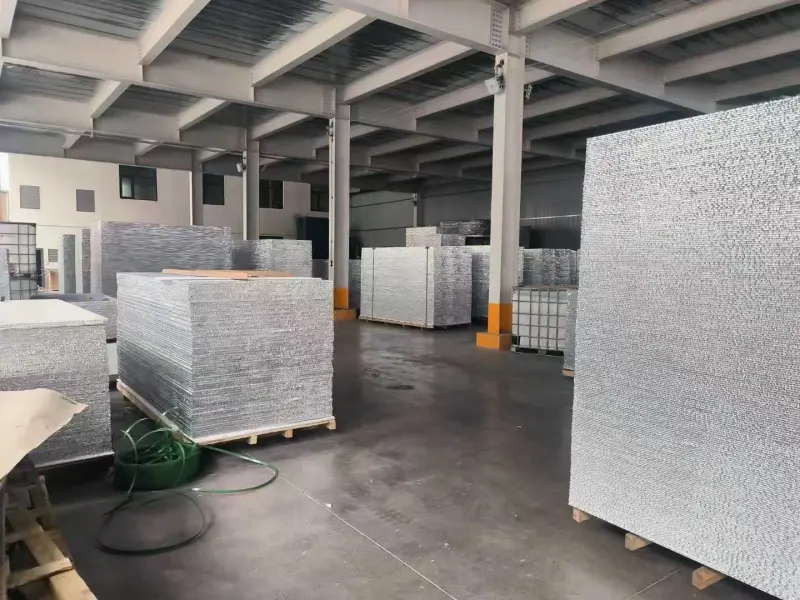
Another common question is: What is the best tool to cut aluminum with?
The best tool depends on the thickness and application.
Recommended Tools
| Tool | Suitable Material | Advantages |
|---|---|---|
| CNC knife | Thin honeycomb | Precise edges |
| Band saw | Thick cores | Smooth cutting |
| Waterjet | composite panels | No thermal damage |
| Circular saw | large panels | Fast cutting |
These tools are widely used in professional honeycomb panel manufacturing.
Should You Cut Aluminum Fast or Slowly
Many people ask: Should you cut aluminum fast or slowly?
For honeycomb materials, controlled speed is important.
Recommended Cutting Speed
- Cut at moderate speed
- Avoid excessive pressure
- Use sharp blades
- Support the material properly
Cutting too fast can damage the thin aluminum walls of the honeycomb structure.
Can Aluminum Honeycomb Be Bent
Another frequently asked question is: Can aluminum honeycomb be bent?
Yes, aluminum honeycomb panels can be bent under certain conditions.
However, the honeycomb core itself has limited flexibility.
Bending Methods
| Method | Description |
|---|---|
| Panel bending | bending after panel bonding |
| Partial cutting | creating flexible sections |
| special tooling | controlled bending process |
Bending is usually done after the honeycomb core is bonded to aluminum sheets to form a complete panel.
Types of Aluminum Honeycomb Core
There are several types of aluminum honeycomb core materials depending on cell size and structure.
Micro Cell Honeycomb Core
Micro cell cores have small cell sizes.
Features:
- high strength
- lightweight
- smooth surface
Applications include aerospace and electronics.
Standard Honeycomb Core
This is the most common type used in industrial panels.
Advantages:
- good balance of strength and weight
- cost-effective production
Typical uses include wall panels and furniture panels.
Large Cell Honeycomb Core
Large cell cores reduce weight and material usage.
Features:
- lower cost
- good ventilation
Applications include decorative panels and lightweight structures.
Applications of Aluminum Honeycomb Core
Construction Industry
Common applications include:
- curtain wall panels
- ceiling panels
- wall cladding
- architectural decoration
Transportation Industry
Honeycomb panels are widely used in vehicles.
Examples:
- train interior panels
- ship structures
- truck bodies
Aerospace Industry
The aerospace industry uses honeycomb structures for lightweight components.
Examples:
- aircraft interiors
- structural panels
- satellite components
Furniture and Interior Design
Many modern furniture designs use honeycomb panels.
Examples:
- lightweight tables
- cabinet panels
- interior partitions
Advantages of Aluminum Honeycomb Panels
Using cutting aluminum honeycomb core technology allows manufacturers to create high performance panels.
Main Advantages
- lightweight structure
- high compressive strength
- corrosion resistance
- excellent flatness
- easy fabrication
These benefits make honeycomb materials very popular in modern engineering.
Production Process of Honeycomb Panels
The production of honeycomb panels includes several steps.
Manufacturing Steps
| Step | Process |
|---|---|
| Aluminum foil preparation | raw material processing |
| Honeycomb expansion | forming hexagonal structure |
| Core bonding | stabilizing the cells |
| Panel bonding | attaching aluminum sheets |
| Cutting and finishing | final panel size |
Choosing the Right Honeycomb Core for Your Project
When selecting aluminum honeycomb core, consider the following factors.
Important Selection Factors
- cell size
- foil thickness
- core thickness
- panel size
- application environment
Choosing the right specifications ensures the best performance for your project.
What Is Aluminum Honeycomb Core
Aluminum honeycomb core is a lightweight material made by bonding aluminum foil into a hexagonal honeycomb structure. It has wide applications as the core material in honeycomb panels.
Structure of Aluminum Honeycomb Core
| Component | Description |
|---|---|
| Aluminum foil | Thin aluminum sheets forming the cells |
| Hexagonal cells | Honeycomb structure for strength |
| Adhesive bonding | Connects the aluminum layers |
| Core thickness | Usually from 3 mm to 100 mm |
This structure provides excellent strength-to-weight ratio and makes honeycomb materials ideal for structural panels.
How To Cut aluminum honeycomb core
Cutting aluminum honeycomb core is an essential step in producing lightweight and high strength honeycomb panels. Understanding the correct cutting tools, speeds, and techniques helps maintain the integrity of the honeycomb structure.
Many professionals search for solutions related to cutting aluminum honeycomb, cutting aluminium honeycomb, cutting honeycomb panels, and selecting the correct honeycomb core cutter.
With the right cutting method and proper equipment, aluminum honeycomb materials can be processed efficiently for construction, transportation, aerospace, and industrial applications. The versatility and strength of aluminum honeycomb core continue to make it one of the most important lightweight materials used in modern engineering.