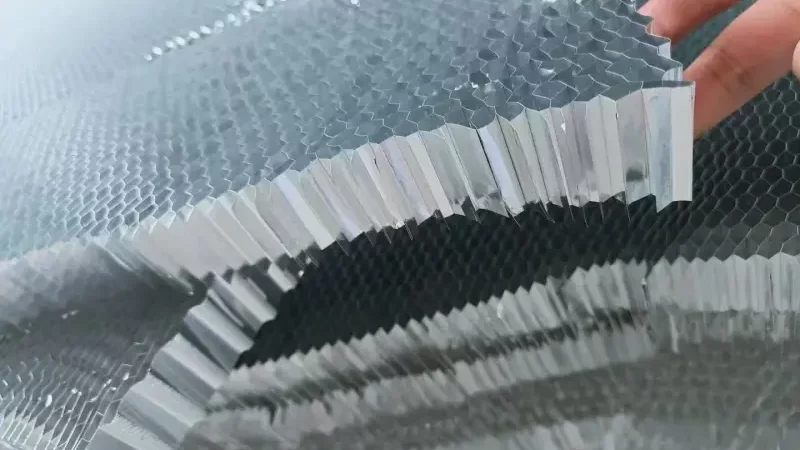
When you design a lightweight panel, choosing the right metal core is the most important step. In the world of composite materials, two alloys dominate the market: 3003 aluminum honeycomb core and 5052 aluminum honeycomb core.
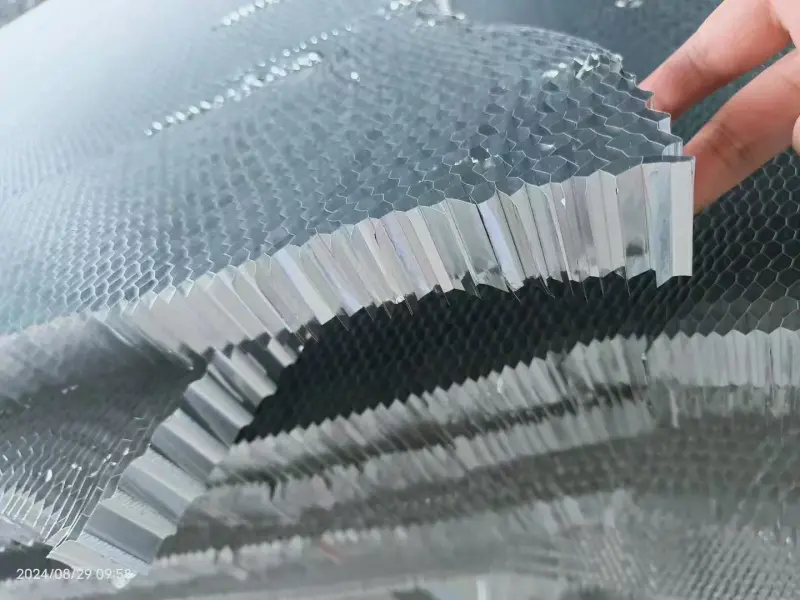
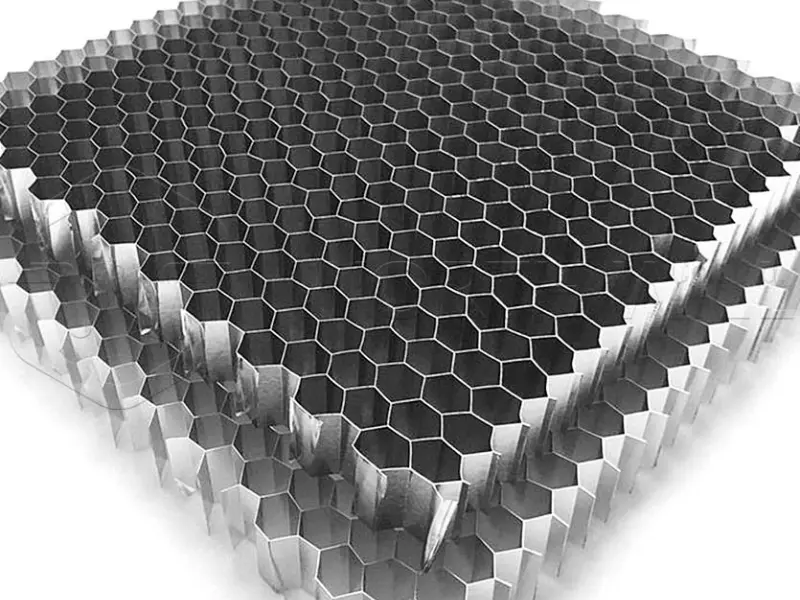
Both are hexagonal structures made from thin foil. Both are strong and light. However, they have different chemical properties, strengths, and costs.
1. The Core Difference: Chemical Composition
The main difference between these two products starts at the molecular level. Aluminum alloys are grouped by the metals added to the pure aluminum base.
3003 Aluminum Alloy
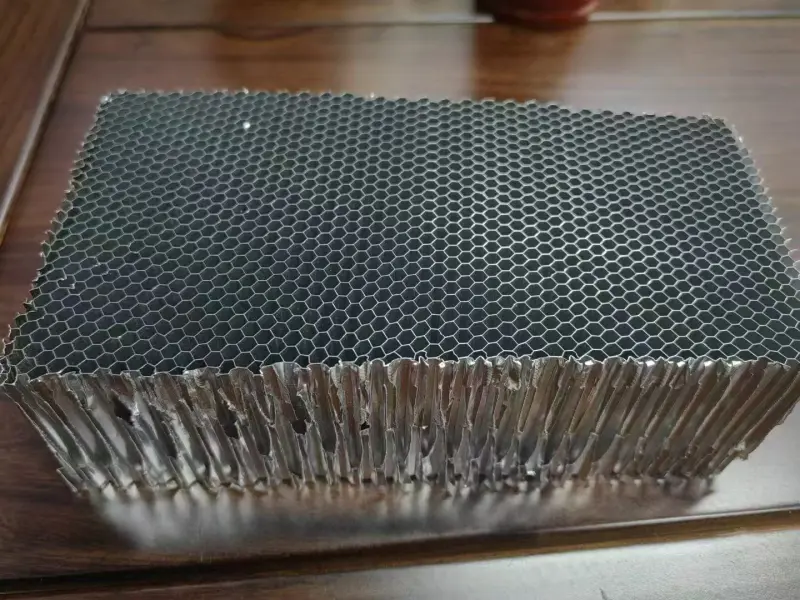
This is known as a Manganese (Mn) alloy. It is the “commercial grade” of aluminum. It offers good corrosion resistance and is very easy to work with during the manufacturing process. The core is the standard choice for most industrial and architectural projects.
5052 Aluminum Alloy
This is a Magnesium (Mg) alloy. It belongs to the high-strength category. Because of the magnesium, it is much tougher and has superior resistance to salt water and harsh chemicals. It is considered a “marine grade” or “aerospace grade” material.
Table 1: Chemical and Mechanical Comparison
| Feature | 3003 Honeycomb Core | 5052 Honeycomb Core |
|---|---|---|
| Main Alloy Element | Manganese (Mn) | Magnesium (Mg) |
| Tensile Strength | Medium (140−160MPa) |
| High (210−230MPa) |
| Corrosion Resistance | Good | Excellent (Marine Grade) |
| Weight Ratio | Ultra-light | Ultra-light |
| Typical Temper | H18/H19 | H19 |
| Price | Economical | Premium |
2. Technical Specifications and Digital Types
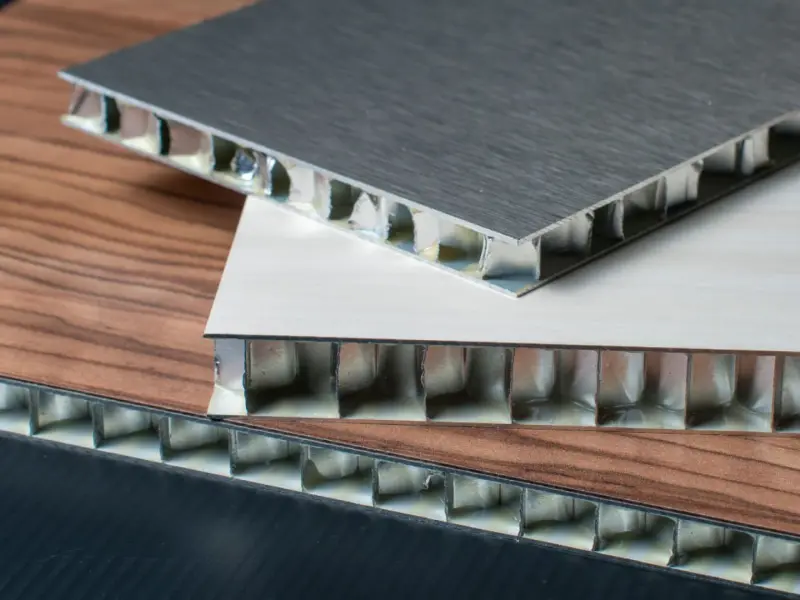
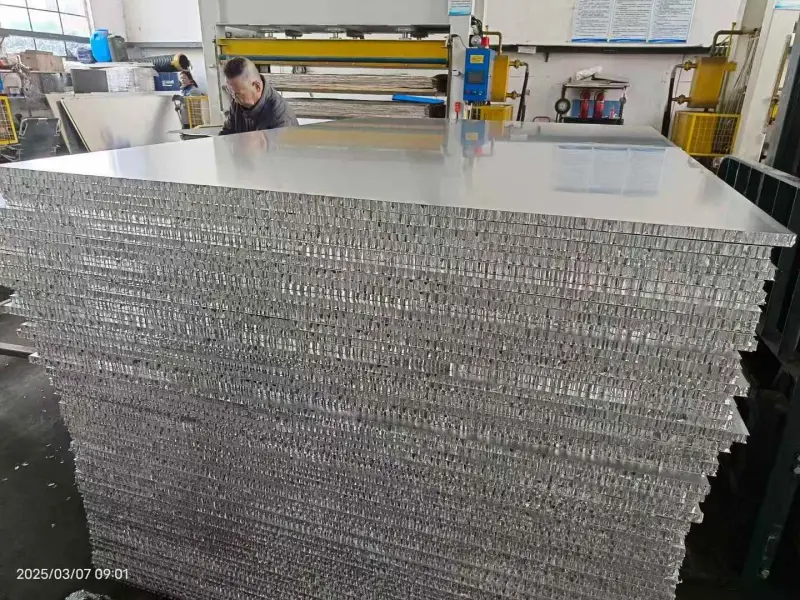
A professional aluminum honeycomb core manufacturer defines the product using three main numbers: the cell size, the foil thickness, and the density.
Cell Size (C)
The cell size is the distance between two parallel sides of the hexagon. Smaller cells mean more aluminum foil is used, which makes the core stronger but heavier.
Foil Thickness (t)
This is the thickness of the aluminum sheet used to create the walls of the honeycomb. Even a small change in thickness can greatly change the strength (S) of the panel.
Table 2: Common Specifications for 3003 and 5052
| Specification Type | Metric Range (mm) | Imperial Range (inch) |
|---|---|---|
| Cell Size (C) | 3.0mm to 25.4mm | 1/8″ to 1″ |
| Foil Thickness (t) | 0.03mm to 0.10mm | 0.0012″ to 0.004″ |
| Height/Thickness (H) | 3mm to 300mm | 0.12″ to 11.8″ |
| Density (D) | 20kg/m3 to 150kg/m3 | Variable |
3. Product Types: Beyond the Standard Sheet
To attract different customers, suppliers offer the core in various formats. Knowing these types helps you save money on shipping and labor.
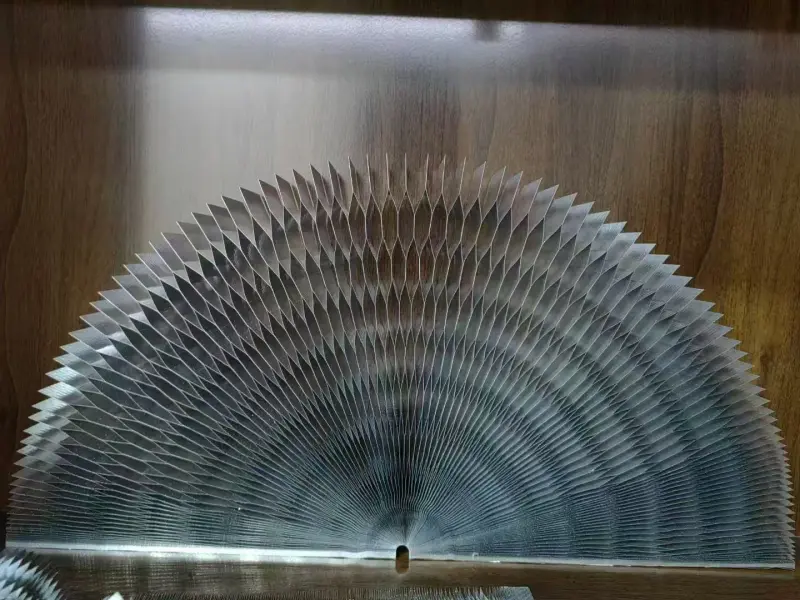
Unexpanded Blocks (Honeycomb Slices)
This is the most popular way to buy honeycomb core for international shipping.
- Benefit: It takes up very little space (V) in a shipping container.
- Usage: The customer expands the block into a sheet using a specialized table on-site.
Expanded Sheets
The manufacturer expands the core in the factory and cuts it to the exact length (L) and width (W) you need.
- Benefit: Ready to use immediately for sandwich panel bonding.
- Usage: Best for local projects or small orders where expansion equipment is not available.
Perforated Honeycomb Core
In this type, the supplier punches tiny holes in the cell walls.
- Why? When you bond skins to the core using heat or vacuum, air can get trapped. Perforations allow air to move between cells, preventing the panel from bubbling or “blowing up” during production.
Micro-cell Honeycomb
These are cores with very small cell sizes (less than 3mm).
- Usage: They are used for laser bed tables, air flow straighteners, and high-end electronic shielding.
4. Deep Dive: When to Choose 3003 vs 5052
If you are a buyer, you must balance performance and budget. Let’s look at the specific reasons to pick one over the other.
Why Choose 3003 Aluminum Honeycomb?
The 3003 aluminum honeycomb core is the best choice for 90% of interior and architectural applications.
- Cost Savings: It is roughly 15% to 25% cheaper than 5052.
- Workability: It is slightly softer, which makes it easier to cut and shape into curved panels.
- Applications:
- Standard interior ceiling panels.
- Office partitions and cleanroom walls.
- Furniture (tables, cabinets) where weight is the main concern.
- Whiteboards and signage.
Why Choose 5052 Aluminum Honeycomb?
The 5052 aluminum honeycomb core is for “Critical Performance” projects.
- Fatigue Resistance: It handles vibrations much better. This is vital for vehicles.
- High Strength: If your panel must carry a heavy load (like a floor), 5052 allows you to use a thinner foil to achieve the same strength as 3003.
- Applications:
- Marine hulls and ship interiors (saltwater resistance).
- High-speed train floors and side panels.
- Aerospace structures and satellite components.
- Tooling boards for the automotive industry.
5. Critical Technical Points (The Details Others Miss)
When evaluating a supplier, look at these “hidden” factors that determine the quality of the honeycomb.
The Node Adhesive
If the glue is bad, the honeycomb will pull apart.
- Look for: Epoxy resins that can handle high temperatures (150∘C or higher).
- The Test: Ask the supplier for the “Node Shear Strength” data.
Surface Treatment of the Foil
Aluminum foil is naturally oily. If the foil is not removed, the glue will not stick well.
- Chemical Conversion Coating: High-quality 5052 and 3003 cores are treated with a chrome-free coating. This prevents the aluminum from oxidizing (Al2O3) inside the panel and ensures the glue lasts for 20+ years.
Foil Temper (H18 vs H19)
- H18/H19 means the aluminum has been “work-hardened.”
- For honeycomb, you want the hardest temper possible. This gives the cell walls the “spring” they need to stay hexagonal and resist crushing.
6. How to Read a Honeycomb Code
Suppliers often use a digital code to describe the product. It usually looks like this:
Alloy – Cell Size – Foil Thickness
- Example 1: 3003−6.35−0.05
- This means: 3003 Alloy, 1/4″ (6.35mm) cell size, and 0.05mm foil thickness.
- Example 2: 5052−4.76−0.06
- This means: 5052 Alloy, 3/16″ (4.76mm) cell size, and 0.06mm foil thickness.
7. Application Fields Summary
- Construction: Curtain walls, roofing, and decorative ceilings.
- Transportation: Rail car interiors, bus floors, and truck bodies.
- Marine: Bulkheads, ceilings, and furniture for yachts and ferries.
- Industry: Cleanroom panels, laser cutting tables, and air conditioners.
- Energy: Base structures for solar mirrors and wind turbine components.
8. Making the Final Decision
Choosing between 3003 vs 5052 aluminum honeycomb core comes down to your environment and your load requirements.
- Use 3003 if you are doing a standard building project, making furniture, or need to keep costs as low as possible. It is a reliable, high-quality industrial material.
- Use 5052 if your project will be near the ocean, inside a vehicle, or if you need the absolute maximum strength-to-weight ratio.
By understanding the alloy type, the temper (H19), and the importance of node adhesive, you can ensure that your honeycomb panels will perform perfectly for years to come. Always ask your supplier for a technical data sheet (TDS) to verify these numbers before you buy.