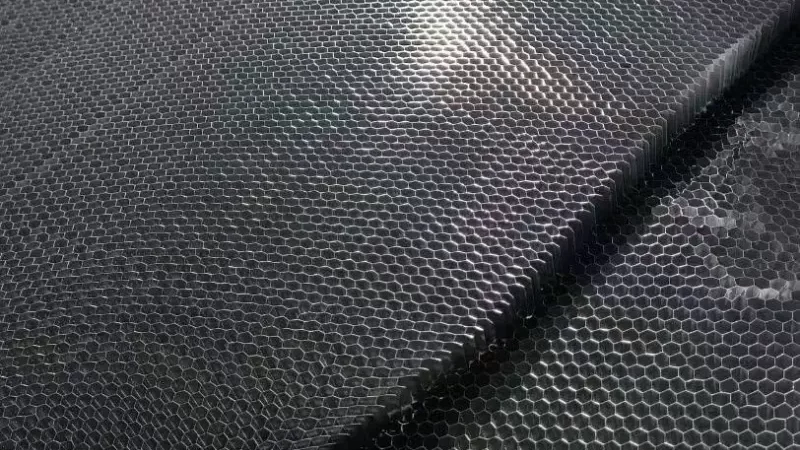
How to Choose Aluminum Honeycomb Core for Ceiling or Wall When you look at a modern office building or a high-end airport terminal, you often see perfectly flat ceilings and walls. Have you ever wondered how they stay so straight without bending? The secret is inside the panel. It is the Aluminum Honeycomb Core.
Choosing the right core is the most important step in your project. If the core is too weak, the wall might dent. If it is too heavy, the ceiling might sag.
What is an Aluminum Honeycomb Core?
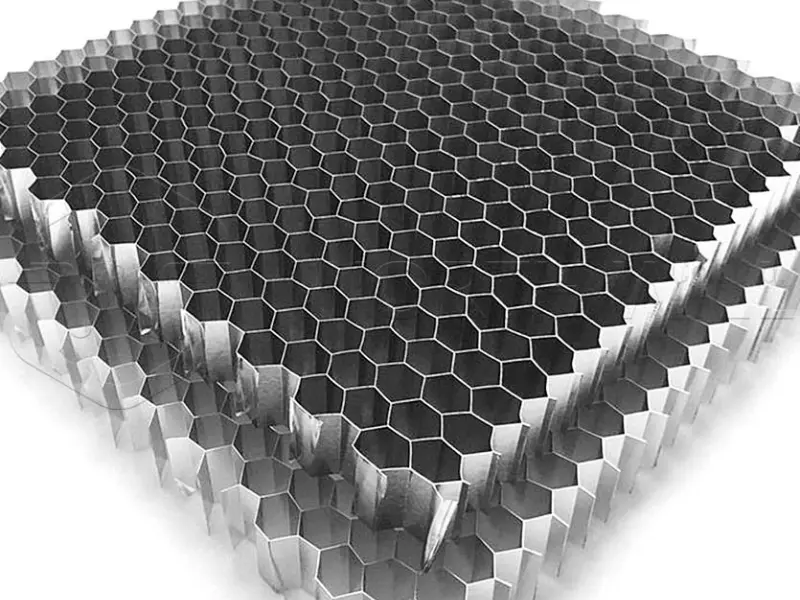
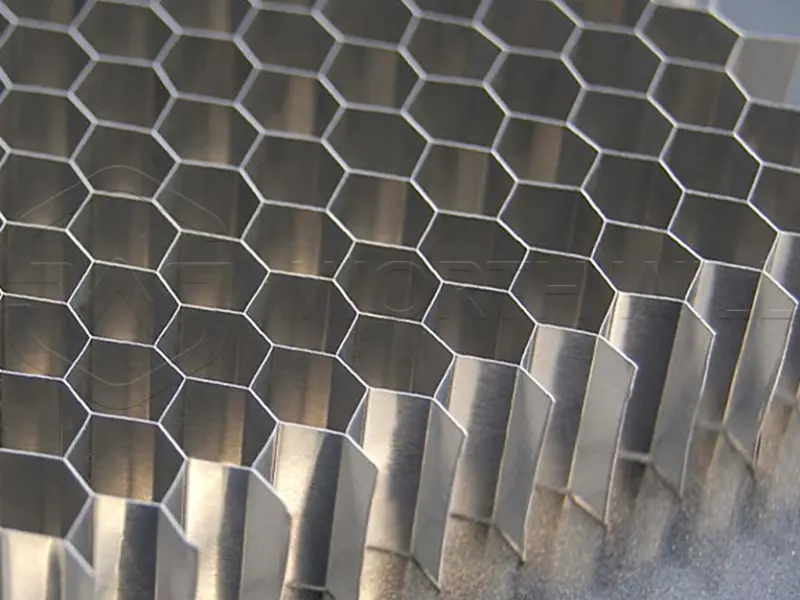
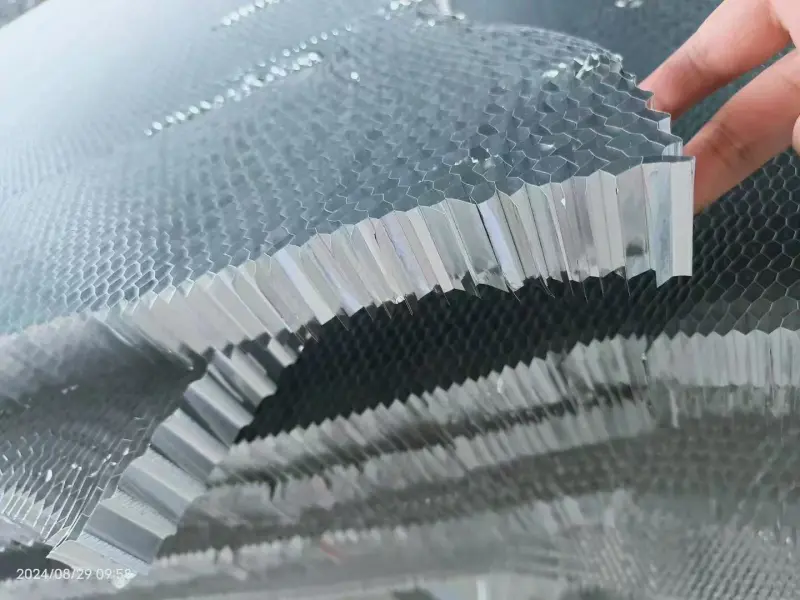
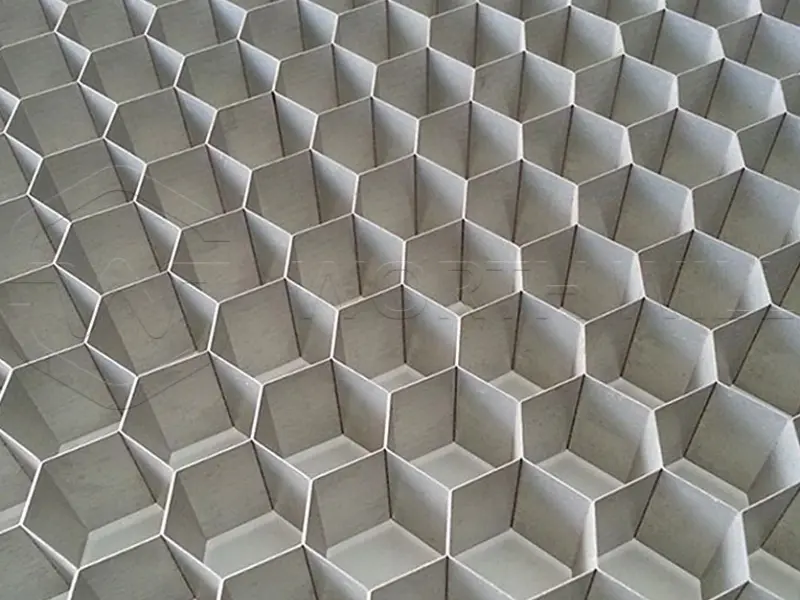
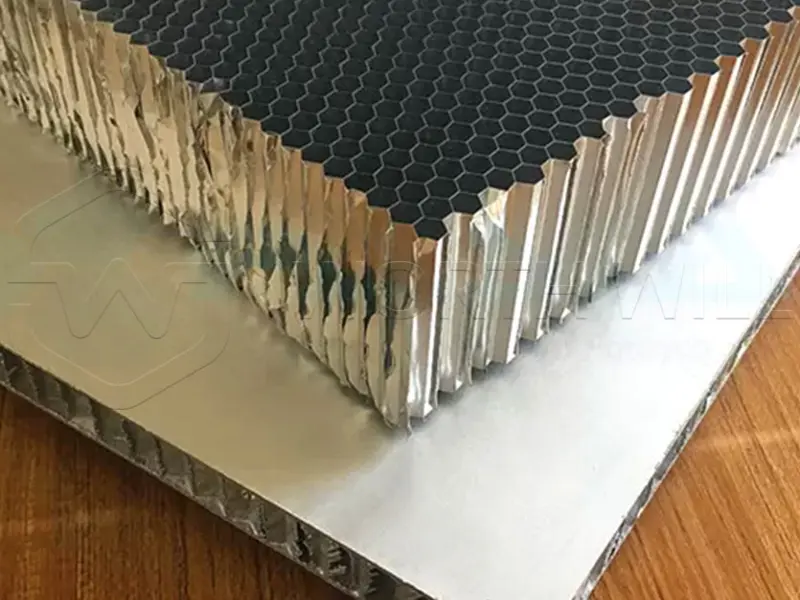
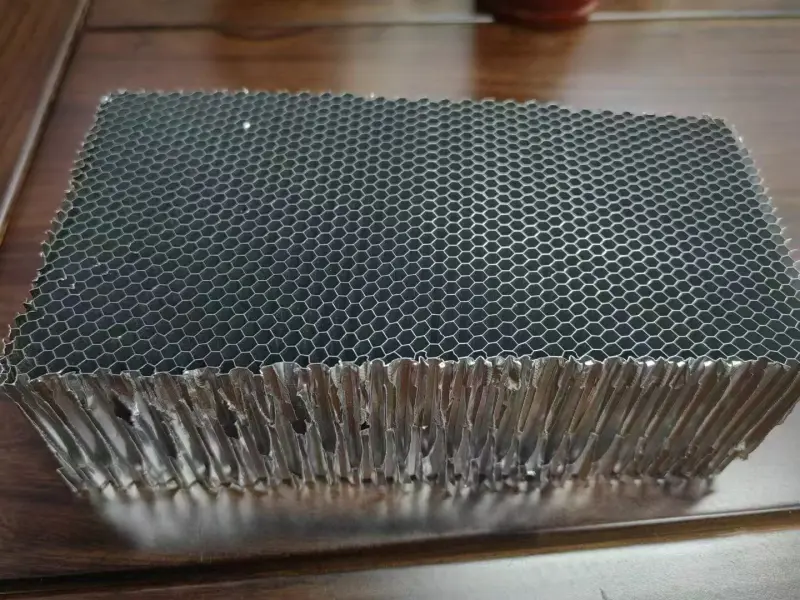
An aluminum honeycomb core is a structure made of thin aluminum foils. These foils are bonded together and then stretched to form a hexagonal (six-sided) shape. It looks exactly like a beehive.
This design is famous in the aerospace industry. Why? Because it uses very little material to create a lot of strength. Today, this technology is used in architecture for ceilings and wall cladding. It provides a lightweight solution that is fireproof and extremely durable.
Key Technical Specifications to Consider
Before you buy, you need to understand the numbers. Suppliers will ask you for three main measurements: Cell Size, Foil Thickness, and Core Height.
1. Cell Size (S)
The cell size is the distance across one hexagon. Smaller cells make the core stronger and stiffer. Larger cells make the core lighter and cheaper.
| Cell Size (mm) | Cell Size (inches) | Common Use |
|---|---|---|
| 3.2mm | 1/8 inch | High-strength aerospace or small parts |
| 4.8mm | 3/16 inch | High-end furniture and car parts |
| 6.4mm | 1/4 inch | Standard for wall cladding |
| 10mm | 3/8 inch | Large ceiling panels |
| 19mm | 3/4 inch | Cheap filling for thick partitions |
2. Foil Thickness (t)
The foil is the “wall” of the honeycomb cell. Thicker foil means a much stronger core.
| Foil Thickness (mm) | Strength Level | Recommended Application |
|---|---|---|
| 0.04mm | Light | Internal office ceilings |
| 0.05mm | Standard | Standard interior wall panels |
| 0.06mm | High | External wall cladding |
| 0.08mm | Industrial | Tooling boards and heavy floors |
3. Core Height (H)
This is the thickness of the core itself. For a standard wall panel, the core is usually between 10mm and 20mm. For thick partitions, it can go up to 100mm or more.
Understanding Alloy Types and States
Not all aluminum is the same. The type of alloy determines how well the core resists corrosion and how much weight it can hold.
Alloy 3003 (H18)
This is the most popular choice for construction. It is an aluminum-manganese alloy. It is easy to work with and offers good strength for the price. The H18 state means the metal has been “work-hardened” to its maximum strength.
Alloy 5052 (H18)
This is a premium “marine-grade” alloy. It contains magnesium. It is much stronger than 3003 and has excellent resistance to salt-water corrosion. If you are building near the ocean, choose 5052.
| Property | Alloy 3003-H18 | Alloy 5052-H18 |
|---|---|---|
| Strength | Medium | High |
| Corrosion Resistance | Good | Excellent |
| Cost | Economical | Higher |
| Best For | Interior ceilings/walls | Exterior coastal walls |
Different Types of Honeycomb Core Products
Depending on your project, you might need a specific “style” of core. Here are the most common types available from suppliers.
Standard Expanded Honeycomb
This is the most common form. The supplier stretches the block of aluminum until the cells open up. It is ready to be glued to the surface skins. It is the best choice for general wall cladding.
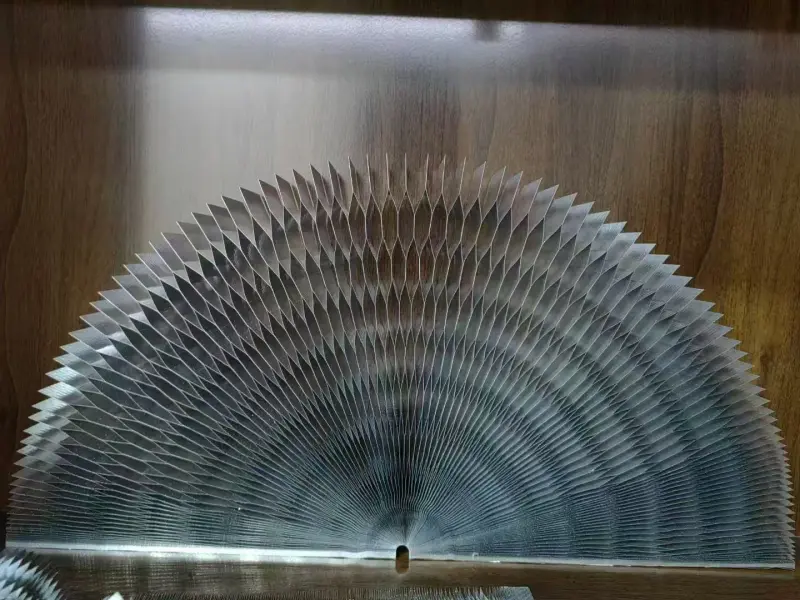
Unexpanded Honeycomb Slices
If you are worried about shipping costs, this is for you. The core is delivered in “blocks” or “slices” that look like solid metal. You expand (stretch) them yourself at the factory. This saves a lot of space in shipping containers.
Micro-Cell Honeycomb
These cores have very tiny cells (less than 3mm). They provide a very smooth surface for the outer skin. Architects use these for high-precision interior finishes where they don’t want any “telegraphing” (the hexagonal pattern showing through the paint).
Perforated Honeycomb Core
Sometimes, air needs to move through the core. Or, for acoustic panels, sound needs to travel into the core to be muffled. Small holes are punched into the aluminum foil before it is made into a honeycomb. This is perfect for acoustic ceilings in theaters or stadiums.
How to Choose: Ceiling vs. Wall
The requirements for a ceiling are different from a wall. Here is how to decide.
Choosing for Ceilings
When you design a ceiling, weight is your biggest enemy. You want the largest panel possible with the fewest supports.
- Focus on Flatness: Use a cell size of 6mm to 10mm.
- Foil Thickness: 0.04mm or 0.05mm is usually enough.
- Core Height: Keep it between 6mm and 15mm to save weight.
- Safety: Ensure the core is bonded with fire-rated epoxy.
Choosing for Walls
Wall panels are at eye level. People touch them, and equipment might bump into them.
- Focus on Impact Resistance: Use a smaller cell size like 4mm or 5mm.
- Foil Thickness: Use 0.06mm or higher to prevent denting.
- Alloy: Use 5052 if the wall is in a high-traffic hallway or outdoors.
- Sound: Consider perforated cores if the wall is in a noisy office.
Applications of Aluminum Honeycomb Core
Where can you actually use these cores? Here are the most common areas:
- Commercial Ceilings: For airports, malls, and subway stations.
- External Facades: For modern skyscrapers and showrooms.
- Clean Rooms: Used in hospitals because they don’t collect dust.
- Elevator Interiors: Strong walls that don’t add too much weight to the lift.
- Partition Walls: To create quiet, private office spaces.
- Furniture Core: For very long tables or lightweight cabinets.
Why Honeycomb Core is Better Than Traditional Materials
| Feature | Honeycomb Core | Solid Aluminum | Plywood/MDF |
|---|---|---|---|
| Weight | Extremely Light | Heavy | Medium |
| Fire Safety | Non-combustible | Non-combustible | Flammable |
| Flatness | Excellent | Can Warp | Can Bend |
| Moisture | Waterproof | Waterproof | Swells |
Tips for Buying from Suppliers
When you contact a supplier, be very specific. A small mistake in the specs can lead to a panel that fails.
1. Ask for the Density
Core density is measured in kg/m3. For example, a core with a 6.4mm cell and 0.05mm foil has a density of about 54kg/m3. Knowing the density helps you calculate the total weight of your building.
2. Verify the Glue Quality
The bond between the foil layers is critical. If the glue is bad, the honeycomb will fall apart when you cut it. Ask for “high-temperature epoxy” or “corrosion-resistant” adhesives.
3. Check the Tolerances
In architecture, even 1mm matters. Ask the supplier about their height tolerance. Good suppliers can keep the height within ±0.1mm.
Frequently Asked Questions
Can I cut the honeycomb core easily?
Yes. You can cut unexpanded slices with a band saw. Once expanded, you can cut the core with a sharp knife or a CNC router.
Does the core provide insulation?
The air trapped in the cells provides some thermal and acoustic insulation. However, for extreme cold, you may need to fill the cells with foam or glass wool.
Is it environmentally friendly?
Yes. Aluminum is one of the most recycled materials on earth. Most honeycomb cores are made from a percentage of recycled aluminum.
How to Choose Aluminum Honeycomb Core for Ceiling or Wall
Choosing the right Aluminum Honeycomb Core for your ceiling or wall is about balancing strength, weight, and cost.
For ceilings, prioritize being lightweight by using larger cells (10mm) and thinner foils. For walls, prioritize durability by using smaller cells (5mm) and thicker foils. Always remember to check if you need the extra corrosion resistance of Alloy 5052 or if the standard Alloy 3003 will work.
By following this guide, you can ensure your project looks great and lasts for decades. If you are unsure, always ask your supplier for a sample block to test the stiffness before placing a large order.