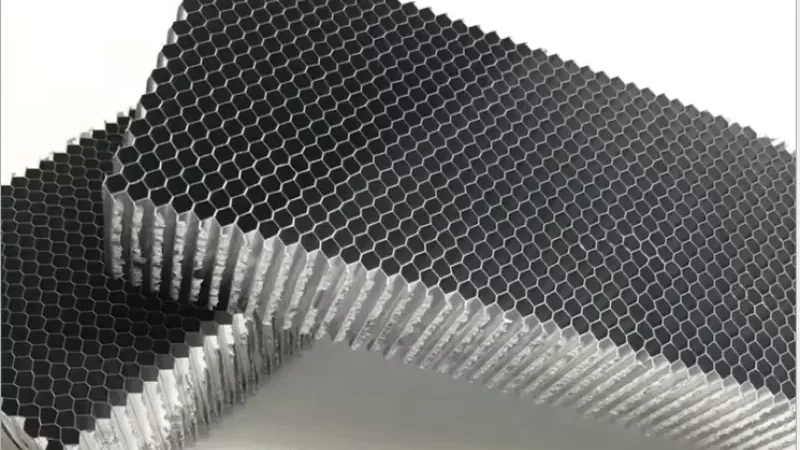
Industrial honeycomb core is a lightweight material widely used in construction, transportation, aerospace, furniture, clean rooms, and decorative panels. Aluminum honeycomb core offers high strength, low weight, and excellent flatness.
Today, many industries choose industrial honeycomb core material because it reduces total project weight while maintaining strong mechanical performance.
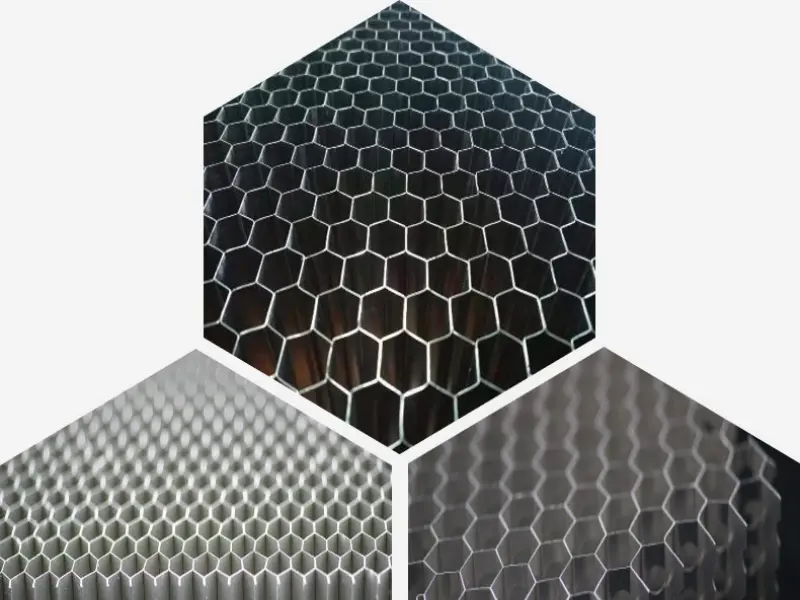
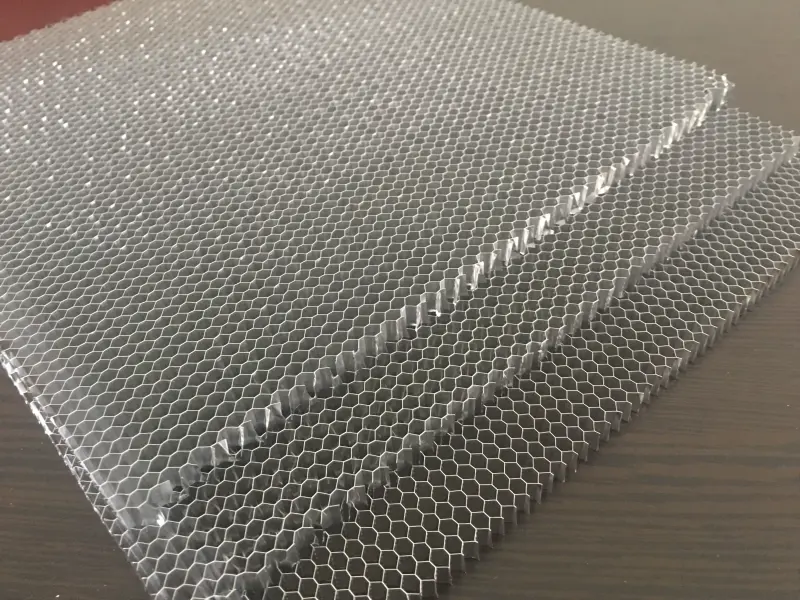
Aluminum honeycomb core is commonly used for:
- Honeycomb core panels
- Honeycomb doors
- Curtain wall panels
- Marine interiors
- Train and subway panels
- Clean room walls
- Furniture panels
Main Types of Aluminum Honeycomb Core
5052 Aluminum Honeycomb Core
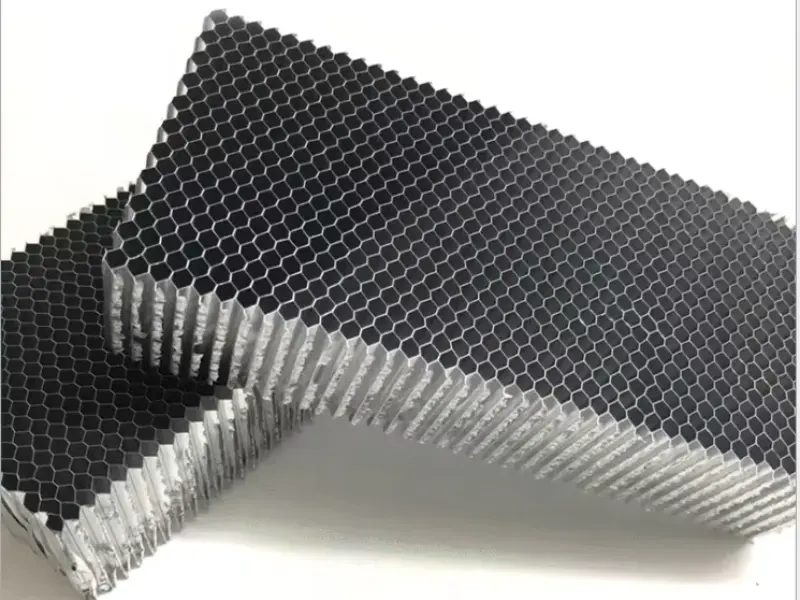
5052 aluminum honeycomb core is one of the most popular products.
Features
- Good corrosion resistance
- Medium strength
- Excellent processing performance
Common Applications
- Building panels
- Marine interiors
- Decorative panels
- Transportation equipment
5056 Aluminum Honeycomb Core
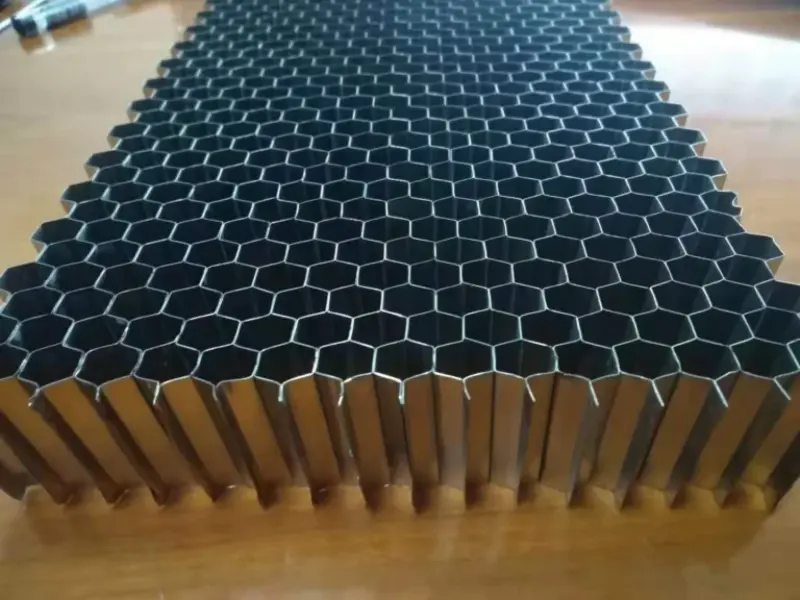
5056 aluminum honeycomb core offers higher strength.
Advantages
- Better mechanical performance
- Higher hardness
- Improved fatigue resistance
Often used in:
- Aerospace panels
- Military products
- High-performance structures
Standard Industrial Honeycomb Core
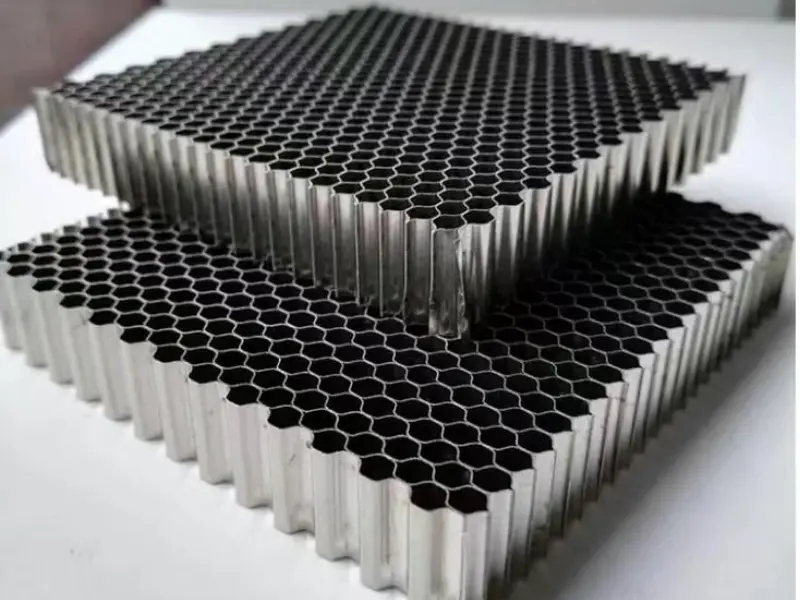
Standard aluminum honeycomb core is widely used for general industrial panels.
Benefits
- Lightweight
- Cost-effective
- Easy lamination
- Good flatness
Honeycomb Core Panel Structure
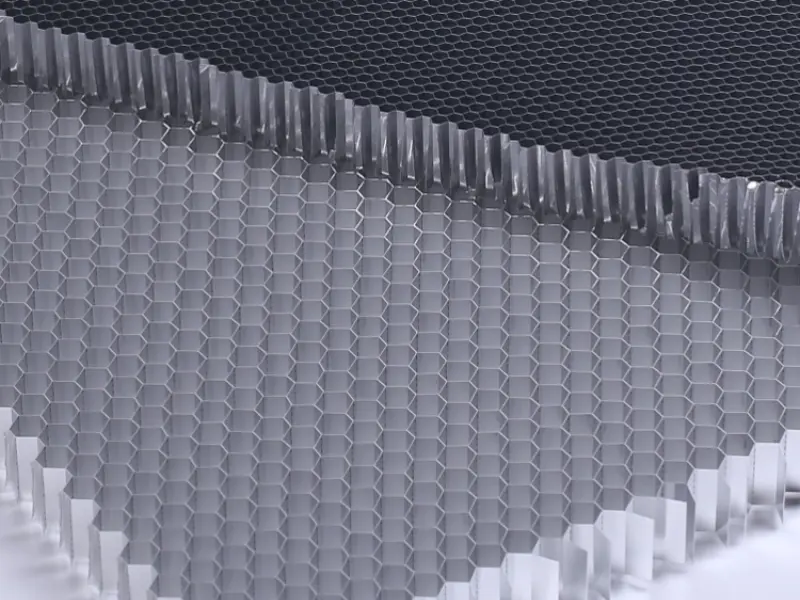
A honeycomb core panel usually includes:
| Layer | Material |
|---|---|
| Top Skin | Aluminum sheet |
| Core Layer | Aluminum honeycomb |
| Bottom Skin | Aluminum sheet |
This sandwich structure creates high rigidity with low weight.
Common Aluminum Alloys for Honeycomb Core
| Alloy | Features |
|---|---|
| 3003 | Good cost performance |
| 5052 | Corrosion resistance |
| 5056 | Higher strength |
| 3104 | Good forming performance |
Honeycomb Core Cell Sizes
Popular Cell Sizes
| Cell Size | Common Use |
|---|---|
| 3mm | Furniture panels |
| 4mm | Decorative panels |
| 5mm | Curtain walls |
| 6mm | Transportation panels |
| 8mm | Industrial structures |
Smaller cells provide smoother panel surfaces.
Standard Thickness of Honeycomb Core
| Thickness | Application |
|---|---|
| 5mm | Interior decoration |
| 10mm | Furniture |
| 15mm | Wall panels |
| 20mm | Honeycomb doors |
| 25mm | Industrial panels |
| 50mm | Heavy-duty structures |
Honeycomb Core Density Options
Low Density Honeycomb Core
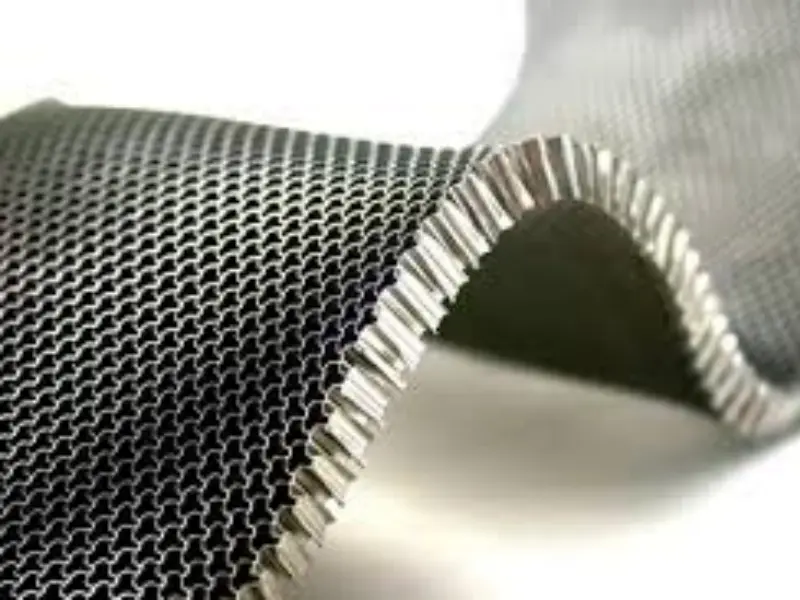
Suitable for lightweight panels.
Advantages
- Lower weight
- Easy handling
- Lower cost
High Density Honeycomb Core
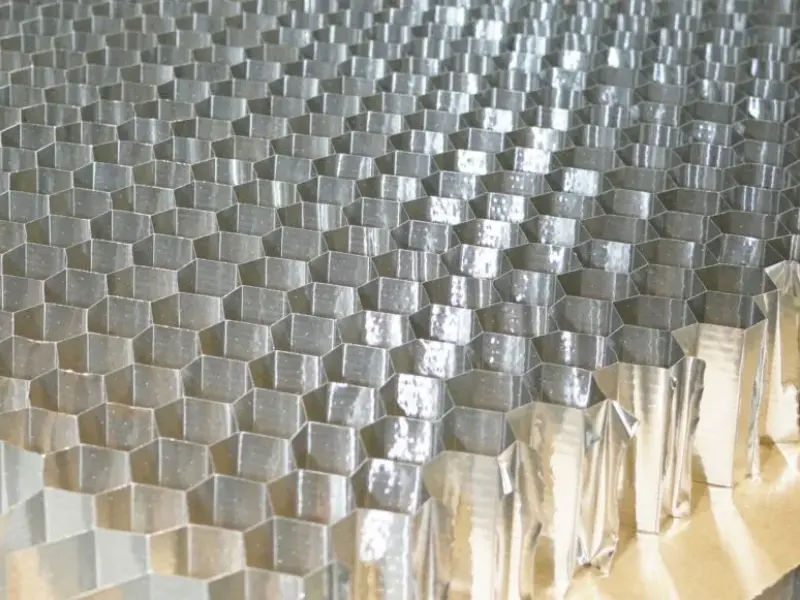
Used for high-strength structures.
Features
- Better compression strength
- Stronger bonding
- Improved rigidity
Honeycomb Door Core
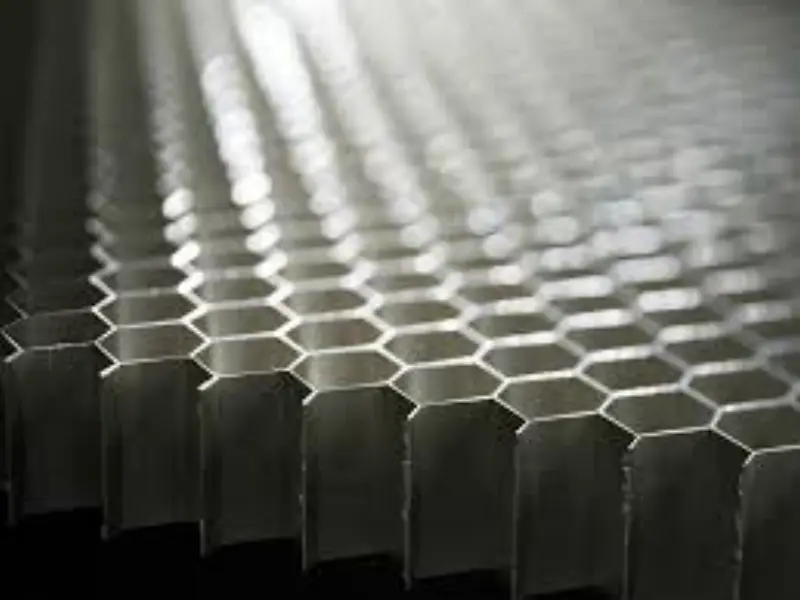
Honeycomb door core is widely used in interior and industrial doors.
Advantages of Honeycomb Door Core
- Lightweight door structure
- Sound insulation
- Better flatness
- Reduced material cost
Applications include:
- Office doors
- Clean room doors
- Residential doors
- Fire-rated doors
What Is the Difference Between Honeycomb Core and Solid Core Doors?
Honeycomb Core vs Solid Core Door
| Item | Honeycomb Core Door | Solid Core Door |
|---|---|---|
| Weight | Lighter | Heavier |
| Cost | Lower | Higher |
| Sound Insulation | Good | Better |
| Material Usage | Less | More |
| Installation | Easier | Harder |
Honeycomb core doors are popular because they reduce weight and cost.
What Is Honeycomb Core Material?
Honeycomb core material is a lightweight structure made from thin aluminum foil bonded into hexagonal cells.
The honeycomb structure provides:
- High strength-to-weight ratio
- Good impact resistance
- Excellent flatness
- Sound insulation
- Thermal insulation
Industrial honeycomb is widely used as a core material inside sandwich panels.
What Is Industrial Honeycomb?
Industrial honeycomb is a honeycomb structure used in engineering and manufacturing industries.
It is designed for lightweight and high-strength applications.
Compared with solid materials, industrial honeycomb panels provide:
- Lower weight
- Better rigidity
- Material savings
- Easier transportation
Which Is Better, Foam Core or Honeycomb?
Foam Core vs Honeycomb Core
| Item | Foam Core | Honeycomb Core |
|---|---|---|
| Weight | Light | Very light |
| Strength | Medium | Higher |
| Flatness | Good | Excellent |
| Durability | Medium | Better |
| Fire Resistance | Depends on foam | Better |
Honeycomb core is usually preferred for high-strength industrial applications.
Industrial Honeycomb Core Panel Applications
Curtain Wall Panels
Honeycomb core panels are widely used in building facades.
Benefits
- Lightweight structure
- Wind resistance
- Modern appearance
Transportation Industry
- High-speed trains
- Subway interiors
- Truck bodies
- Marine equipment
Aerospace Industry
5056 aluminum honeycomb core has uses in aerospace structures.
Advantages
- Lightweight performance
- Fuel saving
- High rigidity
Furniture Industry
Honeycomb core material is suitable for:
- Table panels
- Cabinets
- Partition walls
- Decorative furniture
Clean Room Panels
Honeycomb core panels are used in:
- Pharmaceutical factories
- Electronics workshops
- Laboratories
Honeycomb Core Manufacturing
The Honeycomb core manufacturing includes several production steps.
Main Manufacturing Process
| Step | Process |
|---|---|
| 1 | Aluminum foil preparation |
| 2 | Adhesive coating |
| 3 | Stacking process |
| 4 | Heat pressing |
| 5 | Expanding honeycomb |
| 6 | Cutting and shaping |
Honeycomb Core Manufacturing Process
Aluminum Foil Preparation
Thin aluminum foil is selected according to alloy and thickness requirements.
Adhesive Application
Special adhesive is coated between foil layers.
Block Pressing
The foil layers are compressed into blocks.
Expansion Process
The compressed block is expanded into a honeycomb structure.
Cutting and Processing
The core is cut into different sizes and thicknesses.
Surface Treatment of Honeycomb Panels
Mill Finish Aluminum
Natural aluminum surface.
PVDF Coated Panels
Used for exterior architectural panels.
Features
- UV resistance
- Weather resistance
- Long service life
Polyester Coated Panels
Suitable for indoor decoration.
Anodized Honeycomb Panels
Provide decorative metallic appearance.
Mechanical Performance of Aluminum Honeycomb Core
| Property | Performance |
|---|---|
| Compression Strength | High |
| Flatness | Excellent |
| Weight | Low |
| Rigidity | High |
| Corrosion Resistance | Excellent |
Comparison Between Aluminum Honeycomb and Solid Aluminum Panels
Honeycomb Panel vs Solid Aluminum Panel
| Item | Honeycomb Panel | Solid Aluminum |
|---|---|---|
| Weight | Lower | Higher |
| Cost | Lower material cost | Higher |
| Rigidity | Better | Medium |
| Installation | Easier | Heavier |
Fire Resistance of Industrial Honeycomb
Aluminum honeycomb panels offer good fire resistance.
Advantages
- Non-combustible aluminum
- Low smoke generation
- Suitable for public buildings
Popular Honeycomb Core Products
Micro Cell Honeycomb Core
Used for high-precision panels.
Large Cell Honeycomb Core
Suitable for industrial structures.
Expanded Honeycomb Core
Most common industrial product type.
Perforated Honeycomb Core
Improves airflow and sound absorption.
The Honeycomb Core Manufacturing Process
The honeycomb core manufacturing process is a high-precision engineering task. It involves several key steps to ensure the material meets industrial standards:
- Adhesive Printing: We print parallel lines of high-strength adhesive onto the aluminum foil.
- Stacking: We layer the sheets of foil on top of each other.
- Bonding: The stack is put into a press where heat and pressure cure the adhesive.
- Cutting: The block is sliced into the required thickness (the height of the core).
- Expansion: The sliced strips are pulled apart to open the hexagonal cells.
This honeycomb core manufacturing method allows for consistent cell geometry and reliable strength.
Alloy Types: 3003 vs. 5052 vs. 5056
Not all aluminum cores are the same. Aluminum honeycomb core manufacturers offer different alloys based on the environment where the core will be used.
1. 3003 Aluminum Honeycomb Core
This is the standard commercial grade. It contains manganese, which makes it durable and cost-effective. It is used in most architectural projects.
2. 5052 Aluminum Honeycomb Core
The 5052 aluminum honeycomb core is considered high-strength or aerospace grade. It contains magnesium, which offers much higher fatigue resistance and strength compared to 3003.
3. 5056 Aluminum Honeycomb Core
The 5056 aluminum honeycomb core is the premium choice. It has the highest strength-to-weight ratio available. It is used almost exclusively in high-end aerospace and satellite applications where every gram of weight matters.
Alloy Comparison Table
| Feature | 3003 Alloy | 5052 Alloy | 5056 Alloy |
|---|---|---|---|
| Category | Commercial Grade | Industrial/Aerospace | High-End Aerospace |
| Main Element | Manganese (Mn) | Magnesium (Mg) | Magnesium (Mg) |
| Strength | Medium | High | Very High |
| Corrosion Resistance | Good | Excellent | Excellent |
| Common Use | Walls, Ceilings | Aircraft, Marine | Satellites, Racing |
Industrial Honeycomb Core Specifications
When choosing an industrial honeycomb core material, you must specify the cell size and foil thickness. These two factors determine the density.
Digital Specifications for Standard Cores
| Cell Size (inches) | Cell Size (mm) | Foil Thickness (mm) | Typical Density (kg/m3) |
|---|---|---|---|
| 1/8′′ | 3.2 mm | 0.04 mm | 83−120 kg/m3 |
| 1/4′′ | 6.35 mm | 0.05 mm | 55−75 kg/m3 |
| 3/8′′ | 9.53 mm | 0.06 mm | 40−55 kg/m3 |
| 3/4′′ | 19.05 mm | 0.07 mm | 25−35 kg/m3 |
Diverse Product Formats
We offer several types of industrial honeycomb products to meet different manufacturing needs.
1. Unexpanded Blocks
These are solid chunks of bonded foil. They are easy to ship and store. You must expand them yourself using a specialized machine.
2. Expanded Sheets
These are pre-stretched sheets ready for lamination. Most industrial honeycomb core panel makers prefer this format because it saves time.
3. Perforated Honeycomb
This type has tiny holes in the cell walls. It allows air to flow between cells. It is essential for vacuum tables and sandwich panels that go through high-temperature curing.
4. Micro-Cell Honeycomb
Cores with cell sizes smaller than 3 mm. it for precision air filtration and light-focusing grids.
Major Applications of Industrial Honeycomb
The versatility of the industrial honeycomb core panel makes it a favorite across many sectors.
Transportation and Marine
- High-Speed Rail: Internal walls and ceilings to reduce the train’s weight.
- Yacht Hulls: Using 5052 aluminum honeycomb core for lightweight, salt-water resistant decks.
- Commercial Vehicles: Lightweight floors for delivery trucks.
Aerospace and Defense
- Aircraft Wings: Provides rigidity under high wind loads.
- Energy Absorbers: Honeycomb is designed to crush at a predictable rate, making it perfect for crash protection.
Construction and Architecture
- Honeycomb Door Core: Used inside doors to make them light and prevent warping.
- Curtain Walls: Allows for very large, perfectly flat exterior building panels.
- Cleanroom Walls: Non-gassing and easy to sterilize.
Key Comparisons: Making the Right Choice
Which is better, foam core or honeycomb?
This depends on your needs. Foam is a better insulator for temperature and sound. However, aluminum honeycomb core is much better for fire resistance, strength-to-weight ratio, and durability in harsh environments. Honeycomb does not rot or degrade like some foams.
What is the difference between honeycomb core and solid core doors?
A honeycomb door core makes a door very lightweight and inexpensive. It is easy to install. A solid core door is made of solid wood or particle board. Solid cores are better for soundproofing and feel “heavier,” but they are much more expensive and can sag over time.
Choosing Industrial Honeycomb Core Suppliers
When looking for aluminum honeycomb core manufacturers, consider the following:
- Quality Certification: Look for ISO standards.
- Testing Reports: Ensure the supplier provides data on compressive and shear strength.
- Customization: Can they provide custom foil thicknesses (like 0.03 mm to 0.15 mm)?
- Supply Format: Do they offer both expanded and unexpanded options?
Thickness and Height Options
| Parameter | Range |
|---|---|
| Minimum Core Height | 3 mm |
| Maximum Core Height | 500 mm |
| Tolerance | ±0.1 mm |
Packaging and Transportation
- Protective film
- Wooden pallets
- Corner protection
- Waterproof wrapping
This helps avoid deformation during shipping.
Why Buyers Choose WORTHWILL ALUMINUM
WORTHWILL ALUMINUM supplies different aluminum honeycomb core products for industrial and architectural applications.
Main products include:
- 5052 aluminum honeycomb core
- 5056 aluminum honeycomb core
- Honeycomb core panels
- Honeycomb door core
- Industrial honeycomb panels
The factory supports custom alloy, thickness, cell size, and panel production.
Frequently Asked Questions
What is honeycomb core material?
Honeycomb core material is a lightweight hexagonal structure used inside sandwich panels.
Which alloy is commonly used for aluminum honeycomb core?
3003, 5052, and 5056 aluminum alloys are commonly used.
Which is better, foam core or honeycomb?
Honeycomb core usually offers higher strength and better rigidity.
What industries use industrial honeycomb core?
Construction, transportation, aerospace, furniture, and marine industries widely use honeycomb core products.
What is the standard thickness of honeycomb core?
Common thickness ranges from 5mm to 50mm.
Frequently Asked Questions (FAQ)
What is industrial honeycomb?
What is industrial honeycomb? It is a structural material made of hexagonal cells used to provide high stiffness and low weight in industrial applications like aerospace, construction, and ventilation.
Is 5052 better than 3003?
For structural strength, yes. 5052 aluminum honeycomb core is much stronger. For standard wall panels or ceilings where cost is a factor, 3003 is usually sufficient.
Can the honeycomb core be recycled?
Yes. Unlike composite foam cores, aluminum honeycomb is 100% recyclable. This makes it an environmentally friendly choice for green building projects.
Industrial honeycomb core for modern industries
Industrial honeycomb core is an important lightweight material for modern industries.
Aluminum honeycomb core offers:
- Lightweight performance
- High rigidity
- Excellent flatness
- Corrosion resistance
- Good mechanical strength
Different alloys, thicknesses, cell sizes, and panel structures are suitable for different industrial projects.
From honeycomb door core to aerospace honeycomb panels, aluminum honeycomb remains one of the best lightweight structural materials today.