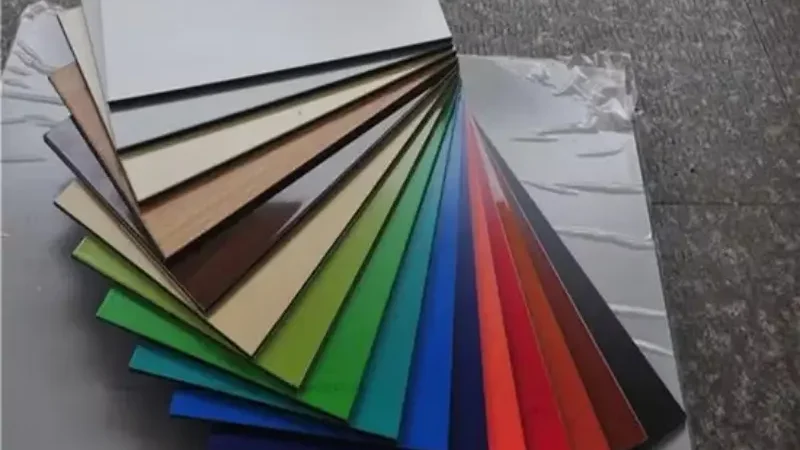
Which is better, ACP or PVC? This common question in construction and signage depends on your specific needs, budget, and application requirements. Both materials have unique advantages and limitations that make them suitable for different situations.
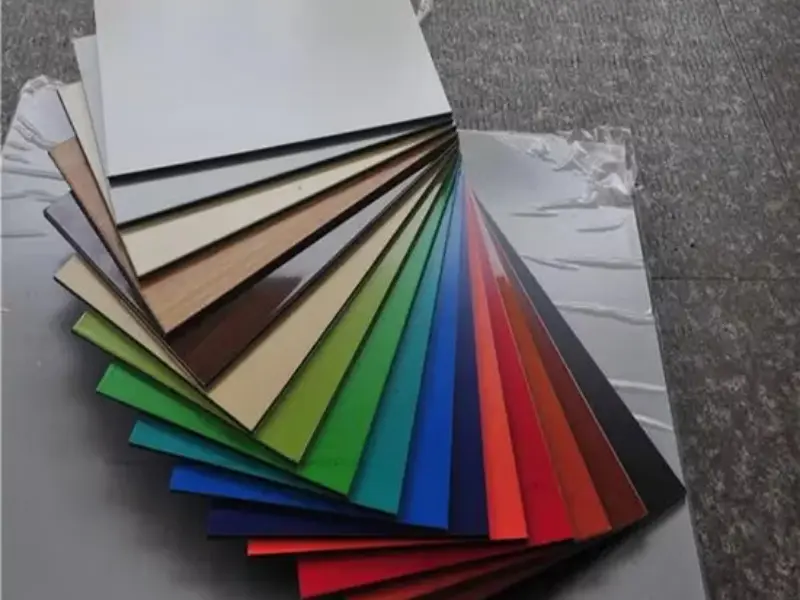
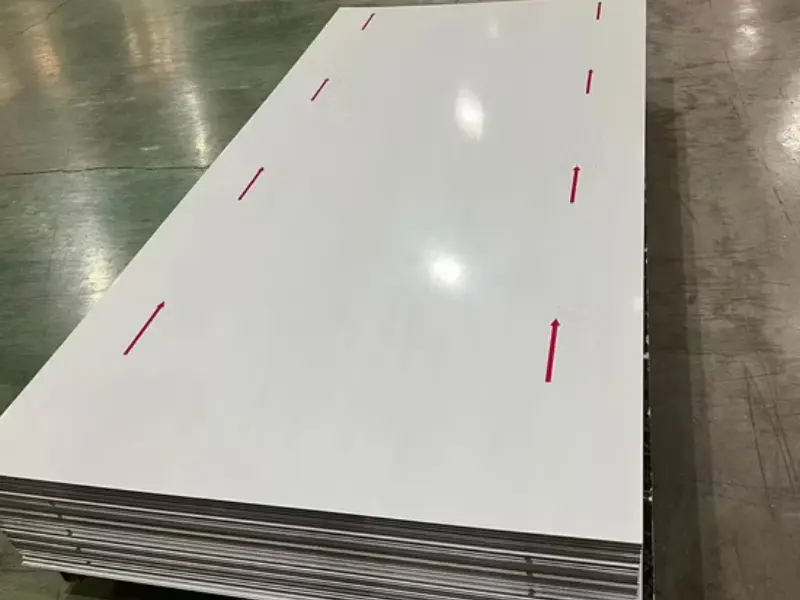
What are ACP and PVC?
ACP (Aluminum Composite Panel)
- Two aluminum sheets bonded to a polyethylene core
- Used for facades, signage, and interior applications
- Lightweight yet durable construction
PVC (Polyvinyl Chloride Panel)
- Plastic-based material available in various formulations
- Used for interior cladding, partitions, and decorative elements
- Cost-effective and versatile
Key Differences: ACP vs PVC
| Parameter | ACP | PVC |
|---|---|---|
| Core Material | Polyethylene | Polyvinyl Chloride |
| Surface Material | Aluminum | PVC |
| Weight | 3-8 kg/m² | 1-3 kg/m² |
| Thickness | 3-6 mm | 1-10 mm |
Performance Comparison
| Property | ACP | PVC | Winner |
|---|---|---|---|
| Durability | 15-20 years | 10-15 years | ACP |
| Weather Resistance | Excellent | Good | ACP |
| Fire Resistance | Good (FR grade available) | Poor | ACP |
| Moisture Resistance | Excellent | Excellent | Tie |
| UV Resistance | Excellent | Good | ACP |
Cost Comparison
| Cost Factor | ACP | PVC |
|---|---|---|
| Material Cost | $20-50/m² | $10-30/m² |
| Installation Cost | Medium | Low |
| Maintenance Cost | Low | Medium |
| Lifespan Cost | Lower long-term | Higher long-term |
Applications and Suitability
Best for ACP:
- Building facades and exteriors
- Outdoor signage
- Commercial interiors
- High-traffic areas
- Premium projects
Best for PVC:
- Bathroom and kitchen walls
- Interior partitions
- Temporary structures
- Budget projects
- Moisture-prone areas
Installation Comparison
| Aspect | ACP | PVC |
|---|---|---|
| Installation Skill | Professional needed | DIY possible |
| Tools Required | Specialized tools | Basic tools |
| Time Required | Longer | Shorter |
| Flexibility | Limited | High |
Environmental Impact
| Factor | ACP | PVC |
|---|---|---|
| Recyclability | Fully recyclable | Limited recycling |
| Production Impact | High energy | Chemical processes |
| VOC Emissions | Low | Higher |
| Sustainability | Better | Poor |
Maintenance Requirements
ACP Maintenance:
- Regular cleaning with mild detergent
- Occasional inspection of joints
- Professional repair if damaged
- Low maintenance overall
PVC Maintenance:
- Easy cleaning
- May require replacement if damaged
- Can fade over time
- More frequent maintenance
Aesthetic Options
ACP Finishes:
- Metallic colors
- Wood and stone effects
- Custom colors
- High-gloss and matte options
PVC Finishes:
- Solid colors
- Basic patterns
- Wood grain effects
- Limited custom options
Safety Considerations
Fire Safety:
- ACP: Fire-retardant grades available
- PVC: Releases toxic fumes when burning
Structural Safety:
- ACP: High impact resistance
- PVC: Can crack under impact
Chemical Safety:
- ACP: Chemically inert
- PVC: May release plasticizers
FAQ
Q1: Which is more cost-effective?
A: PVC has lower initial cost, but ACP offers better long-term value due to longer lifespan.
Q2: Can ACP be used indoors?
A: Yes, ACP works well for commercial interiors and high-end residential spaces.
Q3: Is PVC suitable for exterior use?
A: PVC can be used outdoors but may fade and become brittle over time.
Q4: Which is better for wet areas?
A: Both perform well, but PVC is often preferred for bathrooms due to its moisture resistance.
Q5: How do they compare for signage?
A: ACP is superior for outdoor signage due to its durability and weather resistance.
Q6: Which is more environmentally friendly?
A: ACP is more sustainable due to aluminum recyclability and longer lifespan.
Industry Preferences
Architects Prefer ACP for:
- Corporate buildings
- High-rise facades
- Premium retail spaces
- Long-term projects
Contractors Prefer PVC for:
- Residential projects
- Renovation work
- Budget constraints
- Quick installations
Future Trends
ACP Developments:
- Improved fire-resistant cores
- Enhanced sustainability
- New surface treatments
- Lighter weight options
PVC Innovations:
- Better UV resistance
- Improved fire performance
- Enhanced recycling options
- New texture options
Which is better, ACP or PVC?
Which is better, ACP or PVC? The answer depends on your specific requirements:
Choose ACP if you need:
- Long-term durability
- Premium appearance
- Weather resistance
- Structural strength
Choose PVC if you need:
- Budget-friendly solution
- Quick installation
- Moisture resistance
- Interior applications
Both materials have their place in construction and design. Consider your budget, project requirements, and long-term goals when making your decision.