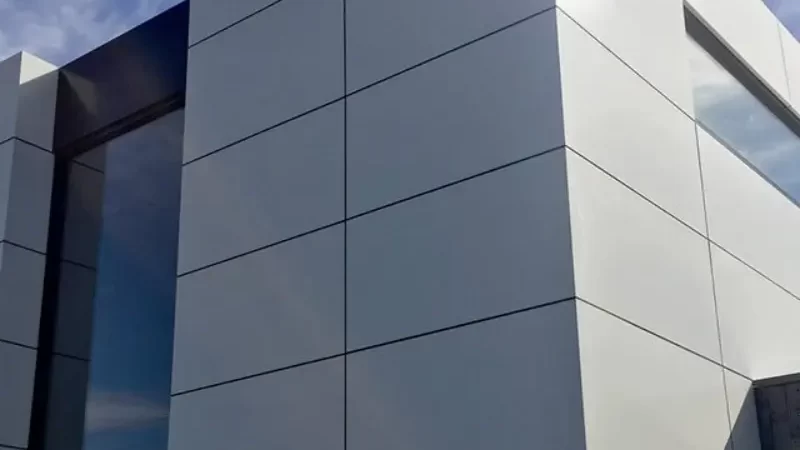
Aluminum composite panel installation is a key process in modern construction and decoration projects. Aluminum composite panels (ACP) are widely used for building facades, interior walls, signage, and commercial decoration due to their lightweight structure, flat surface, and easy installation.
A correct aluminum composite panel installation system ensures safety, durability, and a clean visual appearance.
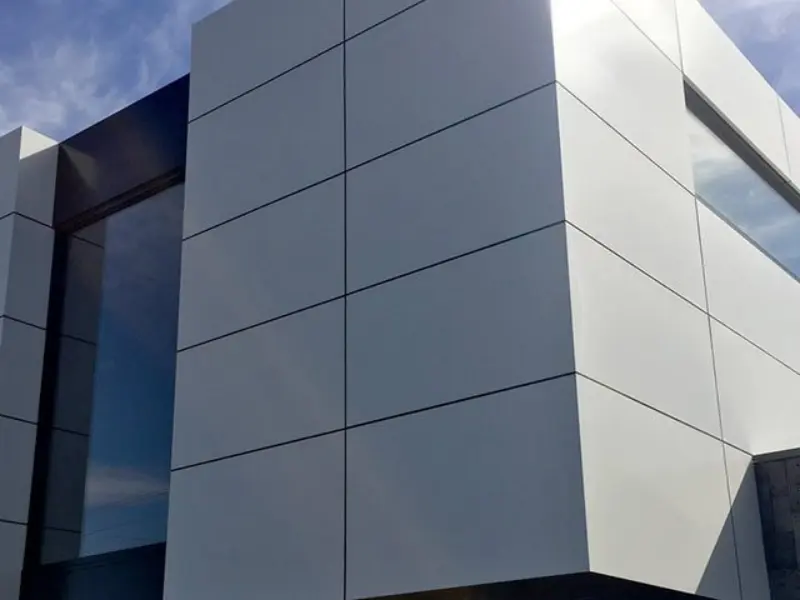
Common Aluminum Composite Panel Installation Systems
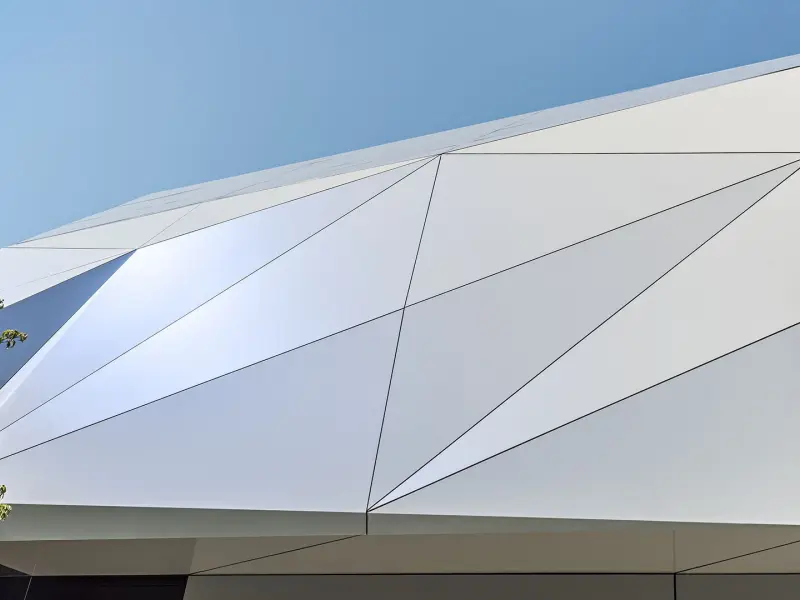
Dry Installation System
The dry installation system uses mechanical fasteners and aluminum frames.
Advantages:
- Strong structural support
- Easy panel replacement
- Suitable for exterior walls
- Good ventilation behind panels
Typical applications:
- Building facades
- Curtain wall systems
- Large commercial projects
Wet Installation System
The wet installation system uses adhesives and sealants.
Advantages:
- Simple process
- Lower installation cost
- Smooth appearance
- Suitable for interiors
Typical applications:
- Interior wall decoration
- Retail spaces
- Office partitions
Aluminum Composite Panel Installation Methods
Frame Fixing Method
Panels are fixed onto aluminum or steel frames.
Steps include:
- Frame layout and leveling
- Panel cutting and bending
- Mechanical fixing
- Joint sealing
Rivet Fixing Method
Panels are fixed using rivets or screws.
Best for:
- Outdoor signage
- Temporary structures
- Industrial buildings
Adhesive Bonding Method
Panels are bonded directly to the wall.
Best for:
- Interior decoration
- Flat concrete walls
- Lightweight partitions
Aluminum Composite Panel Installation Steps
Step-by-Step Installation Process
- Measure and mark the installation area
- Prepare the supporting structure
- Cut aluminum composite panels to size
- Fix panels using the selected system
- Adjust alignment and spacing
- Seal joints and edges
Proper spacing allows thermal expansion and prevents deformation.
Recommended Installation Gap
| Panel Size | Expansion Gap |
|---|---|
| Small panels | 3–5 mm |
| Medium panels | 5–8 mm |
| Large panels | 8–10 mm |
Expansion gaps improve long-term stability.
Tools Required for Aluminum Composite Panel Installation
| Tool | Purpose |
|---|---|
| Cutting machine | Panel sizing |
| Rivet gun | Mechanical fixing |
| Drill | Hole preparation |
| Level ruler | Surface alignment |
| Sealant gun | Joint sealing |
Using the correct tools improves installation efficiency and accuracy.
Specifications
| Item | Standard Range |
|---|---|
| Panel thickness | 3 mm / 4 mm / 5 mm |
| Aluminum skin | 0.2–0.5 mm |
| Panel size | 1220 × 2440 mm |
| Core type | PE / FR / A2 |
| Surface finish | PVDF / PE |
Panel selection affects installation method and structure design.
Indoor vs Outdoor Installation Requirements
Outdoor Aluminum Composite Panel Installation
Requirements:
- Weather-resistant panels
- Strong frame system
- UV-resistant sealant
- Drainage space
Indoor Aluminum Composite Panel Installation
Requirements:
- Flat wall surface
- Light fixing system
- Decorative joint design
Applications
Aluminum composite panel installation is widely used in:
- Building exterior facades
- Curtain wall systems
- Interior wall decoration
- Commercial signage
- Shopping malls
- Airports and stations
- Hotels and office buildings
ACP installation provides both functional and aesthetic benefits.
Common Installation Mistakes to Avoid
- No expansion gap
- Uneven supporting frame
- Incorrect panel thickness
- Poor sealant quality
- Over-tightened fasteners
Avoiding these mistakes improves safety and appearance.
Maintenance After Installation
Basic maintenance tips:
- Clean panels regularly
- Check joints and sealant
- Inspect fasteners annually
- Avoid strong chemical cleaners
Proper maintenance extends panel lifespan.
Aluminum Composite Panels Installation Cost Factors
| Factor | Impact |
|---|---|
| Panel thickness | Material cost |
| Installation method | Labor cost |
| Project height | Safety cost |
| Panel size | Handling difficulty |
Understanding cost factors helps project planning.
Choosing a Reliable Aluminum Composite Panel Supplier
When planning aluminum composite panels installation, choosing the right supplier is essential.
Key factors include:
- Stable panel quality
- Accurate thickness control
- Consistent coating performance
- Export and project experience
WORTHWILL ALUMINUM supplies high-quality aluminum composite panels suitable for various installation systems, with factory pricing and professional B2B support.
What Is Aluminum Composite Panel Installation?
Aluminum composite panels installation refers to the process of fixing ACP sheets onto walls, frames, or structures using mechanical or adhesive systems. Proper installation improves panel performance and extends service life.
Main installation goals:
- Flat and stable surface
- Strong fixing strength
- Weather resistance
- Clean joint alignment
- Easy maintenance
Aluminium Composite Panel Installation Guide for Facade and Interior Projects
Aluminum composite panels installation is a practical and efficient solution for modern construction and decoration. With proper installation systems, correct panel specifications, and skilled workmanship, ACP panels deliver long-lasting performance and a clean architectural appearance.
Whether for exterior facades or interior decoration, professional aluminum composite panels installation ensures safety, durability, and design value.