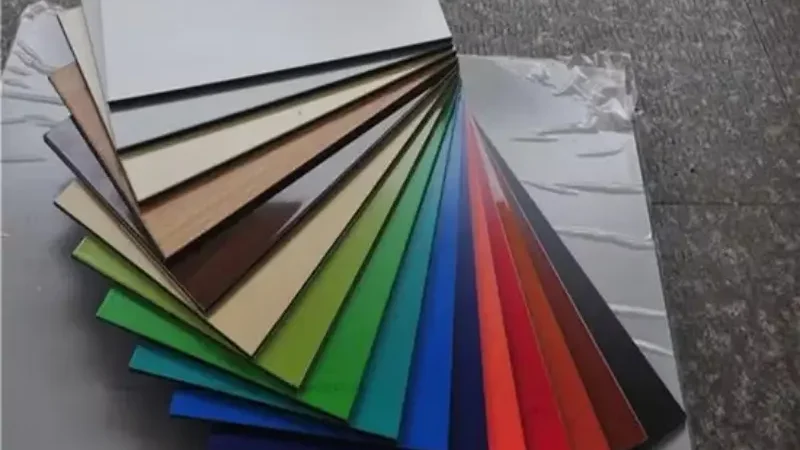
Aluminum Composite Panels (ACPs) are a popular material in modern architecture and design. They are known for their lightweight nature, durability, and versatility. One of the most important aspects when working with ACPs is understanding aluminum composite panel size. Choosing the right size is crucial for any project, affecting everything from design aesthetics to installation costs and material waste.

Understanding Aluminum Composite Panel Sizes
The aluminum composite panel size refers to the length, width, and thickness of the panels. These dimensions can vary significantly, offering flexibility for different applications.
Standard Aluminum Composite Panel Sizes
Most manufacturers offer a range of standard aluminum composite panel size options. These standard sizes are widely available and are often more cost-effective. They are designed to meet common construction and design requirements.
Here are some typical standard dimensions:
| Dimension Type | Width (mm) | Length (mm) |
|---|---|---|
| Standard Size | 1000 | 2440 |
| Standard Size | 1220 | 2440 |
| Standard Size | 1220 | 3050 |
| Standard Size | 1250 | 2500 |
| Standard Size | 1500 | 3000 |
| Standard Size | 1500 | 4000 |
Note: These are common standard sizes. Specific dimensions may vary by manufacturer.
Custom Aluminum Composite Panel Sizes
For unique projects that require specific measurements, custom aluminum composite panel size options are often available. This allows architects and designers to achieve their precise vision without limitations. Custom sizes help reduce cutting waste on-site and can lead to a more seamless finish. Discussing your specific needs with a supplier is key when considering custom aluminium composite panel size.
Aluminum Composite Panel Thickness Options
Beyond length and width, the thickness of an ACP is another critical dimension. The overall thickness of an aluminum composite panel impacts its rigidity, strength, and suitability for different applications. Thicker panels generally offer greater durability and insulation properties.
Here are common thickness options:
| Thickness (mm) | Recommended Use |
|---|---|
| 2mm | Interior decoration, signage |
| 3mm | Interior wall cladding, small signs |
| 4mm | Exterior cladding, facade, larger signs |
| 5mm | High-rise buildings, areas needing extra rigidity |
| 6mm | Structural applications, high impact areas |
Note: The aluminum skin thickness within the panel also varies, typically from 0.10mm to 0.50mm, and affects panel strength.
Key Factors Influencing Aluminum Composite Panel Size Choice
Choosing the right aluminum composite panel size involves considering several factors:
- Project Scale: Larger projects might benefit from larger standard panels or custom sizes to minimize joints.
- Aesthetic Requirements: The desired look and feel of the project can dictate specific panel dimensions.
- Budget: Standard sizes are generally more economical. Custom sizes can be more expensive but may save on installation costs and waste.
- Installation Method: Some installation systems work better with specific aluminum composite panel size ranges.
- Structural Demands: Thicker panels are needed for areas requiring more structural integrity or resistance to wind loads.
Applications
The versatility of aluminum composite panel size options makes them suitable for a wide range of applications:
- Building Facades: Large aluminium composite panel size options (e.g., 1500x4000mm) are ideal for covering significant exterior wall areas, providing a modern and sleek look.
- Interior Wall Cladding: Smaller and medium alumiinum composite panel size options (e.g., 1220x2440mm, 3mm thick) are perfect for interior walls, partitions, and decorative elements in commercial and residential spaces.
- Signage and Displays: Thinner panels (e.g., 2mm, 3mm thick) in various custom or standard aluminium composite panel size formats are widely used for outdoor and indoor signs, exhibition booths, and display boards.
- Canopies and Awnings: Durable and weather-resistant ACPs, often in medium to large sizes, are used for constructing canopies and awnings.
- Ceilings and Column Covers: ACPs offer a smooth finish for ceilings and can be cut to fit around columns, enhancing interior aesthetics.
- Retail and Commercial Spaces: Custom-sized panels help create unique designs and brand identities in stores and offices.
- Furniture and Cabinetry: Smaller, thinner panels can be used in the fabrication of modern furniture and cabinet doors.
Why Correct Aluminum Composite Panel Size Matters
Selecting the appropriate aluminium composite panel size is more than just a technical detail; it has significant implications for your project:
- Cost-Effectiveness: Using standard sizes can reduce material costs. If custom sizes are needed, proper planning can minimize waste and associated expenses.
- Reduced Waste: Properly chosen panel sizes, especially custom ones, can greatly reduce the amount of material scraps, leading to a more sustainable and economical project.
- Ease of Installation: Panels that fit the design well require less cutting and manipulation on-site, speeding up installation and reducing labor costs.
- Improved Aesthetics: Correct sizing contributes to a clean, uniform look, minimizing visible joints and maximizing the visual impact of the design.
- Structural Integrity: The right thickness ensures the panel can withstand environmental factors and maintain its shape over time.
Aluminium Composite Panel Size from Direct Factory Production
Understanding aluminum composite panel is fundamental to the success of any project utilizing this versatile material. From standard dimensions that offer cost-efficiency to custom sizes that provide design freedom, and various thickness options for different performance needs, there is an ACP solution for nearly every application. By carefully considering your project’s requirements and consulting with suppliers, you can select the perfect aluminum composite panel size to achieve durable, aesthetically pleasing, and cost-effective results. Make an informed choice to ensure your project stands out.