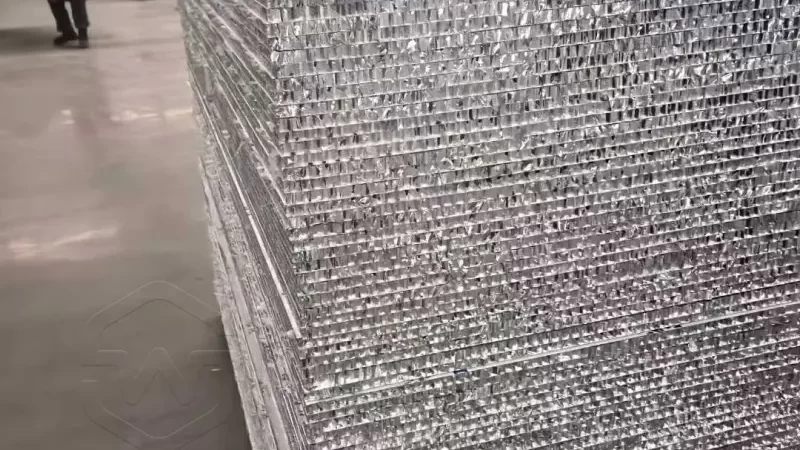
Honeycomb aluminum sandwich panels emerge as a leading solution, perfectly balancing these crucial properties. These advanced panels are engineered composites, providing significant advantages over traditional materials.
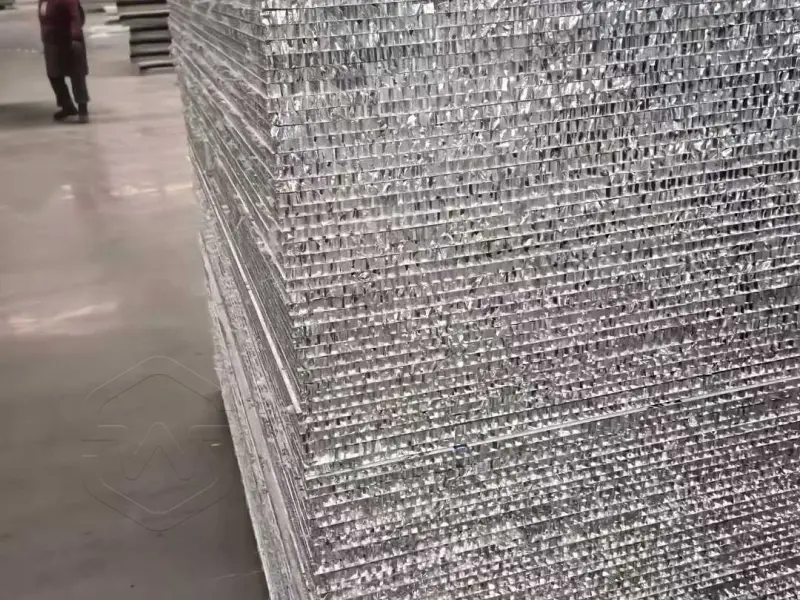
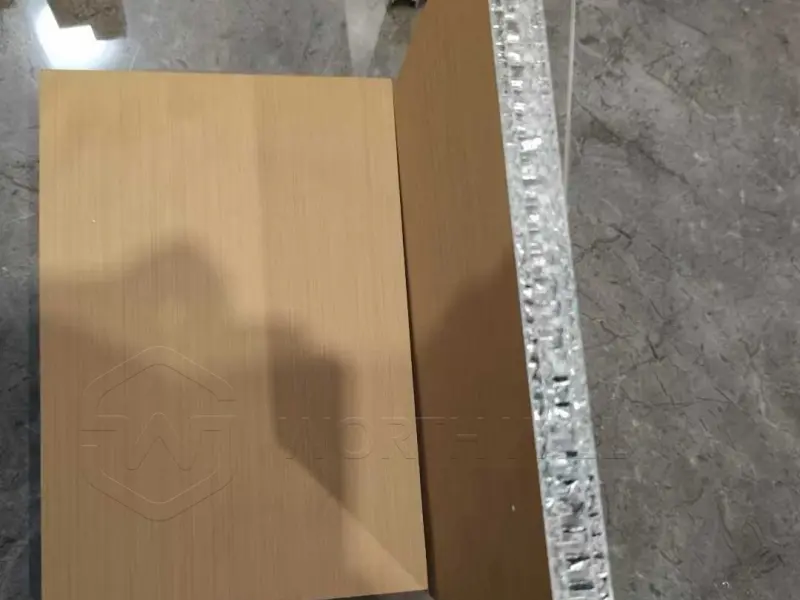
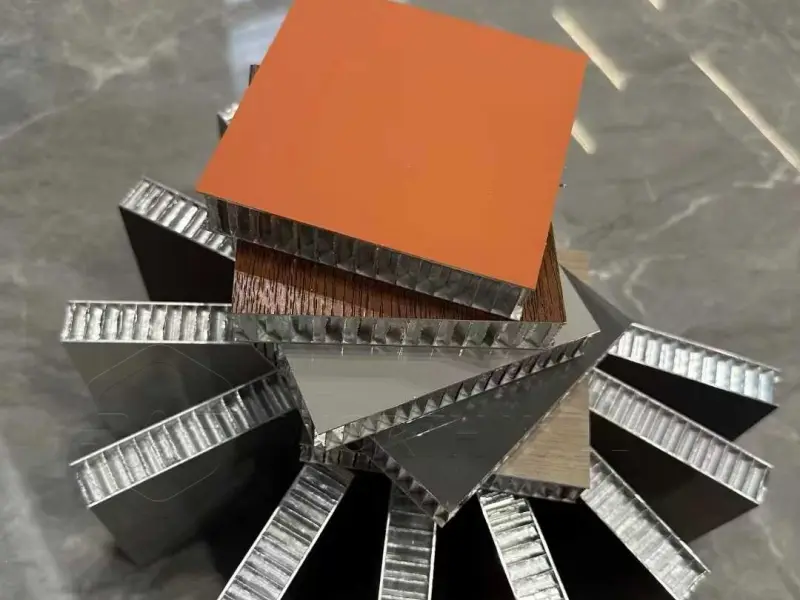
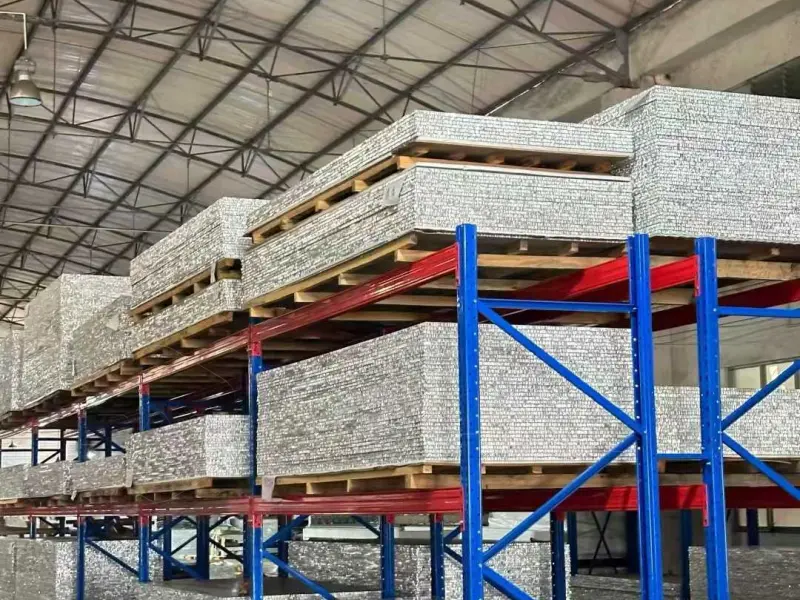
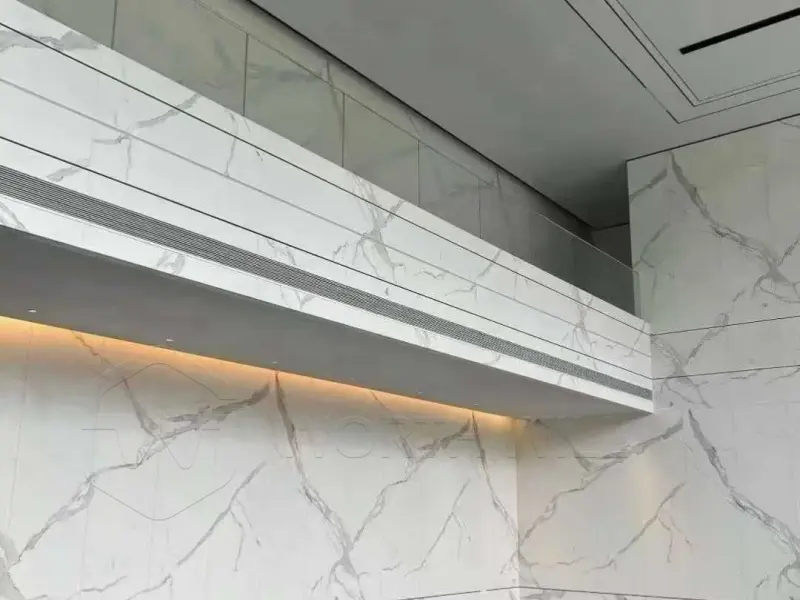
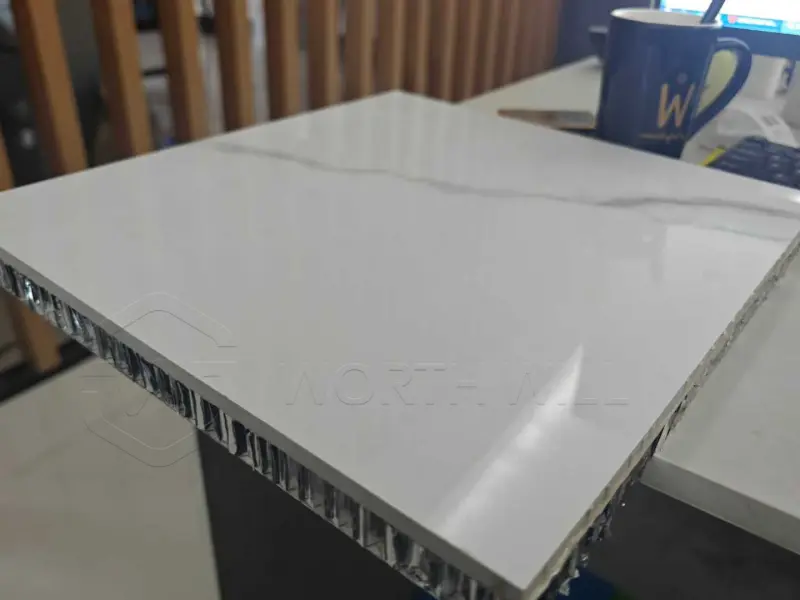
Types and Specifications of Honeycomb Aluminum Panels
Honeycomb aluminum sandwich panels come in various types, defined by their core structure, skin thickness, and overall dimensions. These variations allow for precise selection based on project requirements.
Common Panel Types by Structure and Application
| Type Designation | Core Cell Size (mm) | Aluminum Skin Thickness (each, mm) | Typical Total Thickness (mm) | Key Characteristics |
|---|---|---|---|---|
| Light Duty | 6.4 (1/4 inch) | 0.5 – 0.8 | 6 – 25 | Ultra-light, good for non-load-bearing applications. |
| Standard Grade | 4.8 (3/16 inch) | 0.8 – 1.0 | 10 – 50 | Balanced strength and weight, versatile. |
| Heavy Duty | 3.2 (1/8 inch) | 1.0 – 1.5 | 20 – 100 | High strength, excellent for structural elements. |
| Customized | Variable | Variable | Variable | Tailored to specific project demands and performance. |
These types highlight the flexibility and adaptability of honeycomb aluminum sandwich panels in diverse settings.
Materials Used in Honeycomb Aluminum Panels
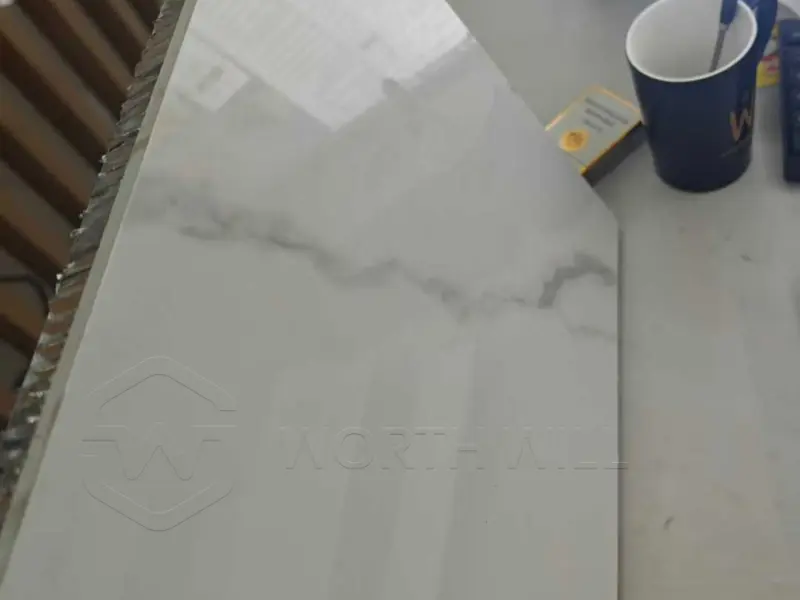
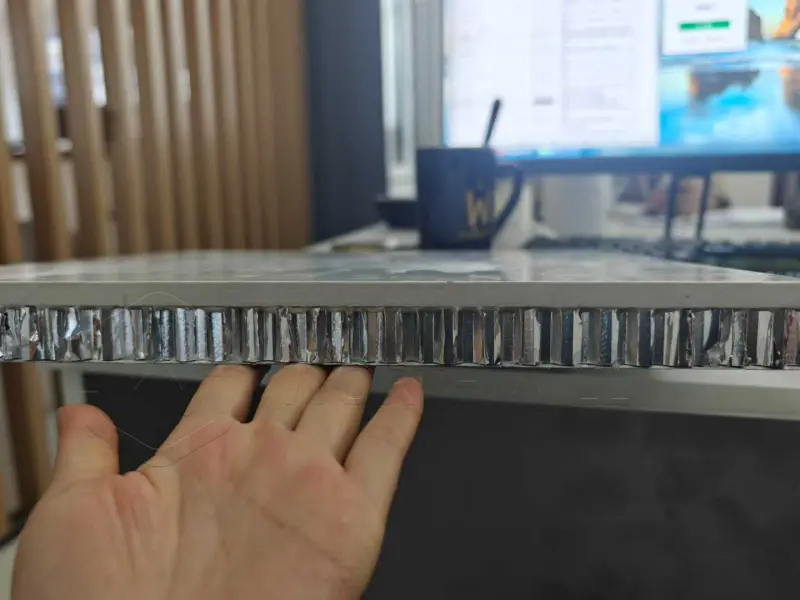
The quality and performance of aluminum honeycomb panels largely depend on the materials selected for their construction.
Aluminum Skins
Common choices include:
- 3003 Aluminum Alloy: Known for its good corrosion resistance and excellent workability, making it suitable for a wide range of applications.
- 5052 Aluminum Alloy: Offers higher strength and superior corrosion resistance, especially in marine environments, ideal for more demanding projects.
- 5005 Aluminum Alloy: Valued for its good anodizing response, often used when an aesthetic anodized finish is required.
These skins can be left in their natural state or finished with various coatings. Such as PVDF (Polyvinylidene Fluoride) or PE (Polyester), for enhanced durability, color, and aesthetic appeal.
Aluminum Honeycomb Core
The core, the heart of the honeycomb aluminum sandwich panel, is also made from aluminum foil.
- Alloy: Commonly 3003 or 5052 aluminum alloy.
- Cell Size: Varies from very small (e.g., 3.2 mm or 1/8 inch) to larger (e.g., 19.1 mm or 3/4 inch). Smaller cell sizes generally lead to higher shear strength and stiffer panels.
- Foil Thickness: The thickness of the aluminum foil making up the cells, typically ranging from 0.04 mm to 0.08 mm, directly impacts the core’s density and strength.
The precise combination of these materials ensures the optimal performance of the final aluminum honeycomb panel.
Manufacturing Process
The production of honeycomb aluminum sandwich panels involves a careful, multi-step process to ensure quality and integrity. It typically includes:
- Core Expansion: Aluminum foil is processed into an expanded honeycomb structure.
- Surface Preparation: Aluminum skins are cleaned and pre-treated to ensure proper adhesion.
- Adhesive Application: A high-performance adhesive is applied to the skins.
- Panel Assembly: The honeycomb core is placed between the two aluminum skins.
- Pressing and Curing: The assembled panel is pressed under controlled temperature and pressure to bond the layers permanently.
- Trimming and Finishing: Panels are cut to size, and edges can be sealed or reinforced as required.
- Quality Control: Each panel undergoes rigorous inspection for flatness, adhesion, and dimensional accuracy.
This detailed process guarantees a high-quality aluminum composite panel.
Application Areas of Honeycomb Aluminum Sandwich Panels
The versatile properties of honeycomb aluminum sandwich panels make them indispensable across numerous industries and applications:
- Architecture & Construction:
- Building facades and exterior cladding
- Interior wall panels and partitions
- Ceiling panels and suspended ceilings
- Canopies and sunshades
- Elevator cabs and doors
- Cleanroom walls and doors
- Transportation:
- Flooring, walls, and ceilings in trains and subways
- Bus bodies and interior components
- Marine vessel bulkheads, decks, and interiors
- Automotive components for lightweighting
- Industrial Applications:
- Machine enclosures and covers
- Work surfaces and cleanroom furniture
- Tooling plates and fixtures
- Signage and Displays:
- Large outdoor signs
- Exhibition booths and display panels
- Furniture:
- Lightweight tables, cabinet doors, and shelving
These lightweight panels offer practical solutions wherever strength, aesthetics, and reduced weight are paramount.
What Are Honeycomb Aluminum Sandwich Panels?
A honeycomb aluminum sandwich panel is a sophisticated composite material. It consists of two thin aluminum skins bonded to a lightweight core of aluminum honeycomb cells. This “sandwich” structure is the secret to its exceptional performance. The aluminum skins provide stiffness and impact resistance, while the hexagonal honeycomb core acts like an I-beam, providing incredible rigidity and stability while keeping the overall weight very low. This design results in a panel that is remarkably strong, incredibly stiff, and surprisingly light.
Key Features and Benefits of Aluminum Honeycomb Panels
Choosing honeycomb aluminum sandwich panels brings a host of benefits to any project:
- Extremely Lightweight: Significantly reduces structural load compared to solid materials.
- High Rigidity and Strength: Offers excellent resistance to bending and external forces.
- Superior Flatness: Ensures a smooth, aesthetically pleasing surface.
- Excellent Fire Resistance: Aluminum is non-combustible, contributing to fire safety.
- Corrosion Resistance: Aluminum naturally resists rust and corrosion, especially with protective coatings.
- Good Sound and Thermal Insulation: The trapped air in the honeycomb cells provides insulating properties.
- Easy to Fabricate: Can be cut, bent, and shaped with appropriate tools.
- Environmentally Friendly: Aluminum is a highly recyclable material.
- Durable and Long-Lasting: Designed to withstand harsh environmental conditions.
These features make aluminum honeycomb panels a preferred choice for many demanding applications.
Customization Options for Your Project
We understand that every project has unique demands. We offer extensive customization options for our honeycomb aluminum sandwich panels:
- Dimensions: Precise length, width, and thickness to fit your specific design.
- Finishes: A wide range of colors, textures, and coatings (PVDF, PE, powder coating, anodized).
- Edge Treatments: Open, sealed, or reinforced edges for different applications.
- Integrated Inserts: For easy mounting of hardware or structural elements.
- Panel Shapes: Ability to produce curved or irregular shapes for architectural designs.
Discuss your requirements with us to create the perfect custom honeycomb aluminum panels for your needs.
Frequently Asked Questions (FAQ)
Q1: Are honeycomb aluminum sandwich panels durable?
A1: Yes, honeycomb aluminum sandwich panels are highly durable. Their aluminum skins provide excellent resistance to impact, abrasion, and corrosion, ensuring a long lifespan, especially with proper finishes.
Q2: Can these panels be used outdoors?
A2: Absolutely. Aluminum honeycomb panels with appropriate PVDF or other weather-resistant coatings are excellent for outdoor applications like building facades, offering superior weather and UV resistance.
Q3: How do you cut or install honeycomb aluminum panels?
A3: Honeycomb aluminum panels can be cut using standard industrial equipment such as CNC routers, panel saws, or waterjet cutters. Installation typically involves mechanical fasteners, structural adhesives, or a combination of both, often integrated into a framing system.
Q4: What are the fire ratings of these panels?
A4: As aluminum is non-combustible, honeycomb aluminum sandwich panels generally have very good fire performance. Always refer to product specific fire certification.
Q5: Are honeycomb aluminum sandwich panels expensive?
A5: While the initial cost of aluminum honeycomb panels might be higher than some traditional materials, their long-term benefits in terms of lightweighting, durability, low maintenance, and energy efficiency often result in a lower total cost of ownership over the project’s lifespan.